



Exhibition - At the moment
Van Hemessen & Father
The Antwerp Workshop of Jan and Catharina van Hemessen
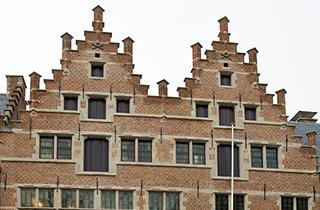
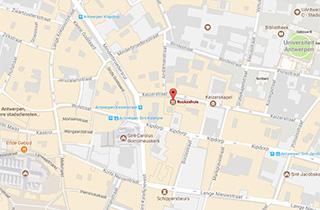
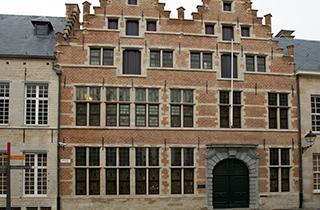
Museum Snijders&Rockox House, Antwerp, 15 October 2026 – 31 January 2027
In the winter of 2026-2027, the Snijders&Rockoxhuis proudly presents the very first retrospective dedicated to the 16th-century Van Hemessen family. This exhibition brings a forgotten lineage of artistic pioneers back into the spotlight and rewrites the story of the Antwerp Renaissance from a fresh and unexpected perspective: that of a creative family enterprise where father, sons, and daughter collaborated, experimented, and left a lasting mark on art history.
Jan van Hemessen: Father and Innovator between Massijs and Bruegel
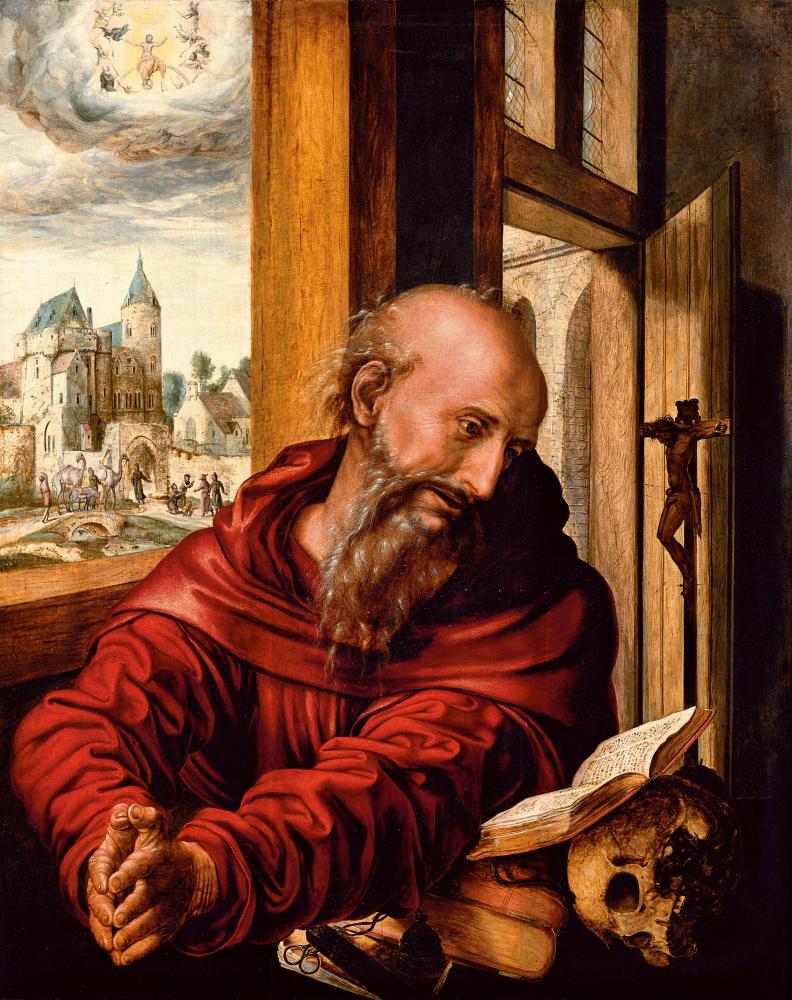
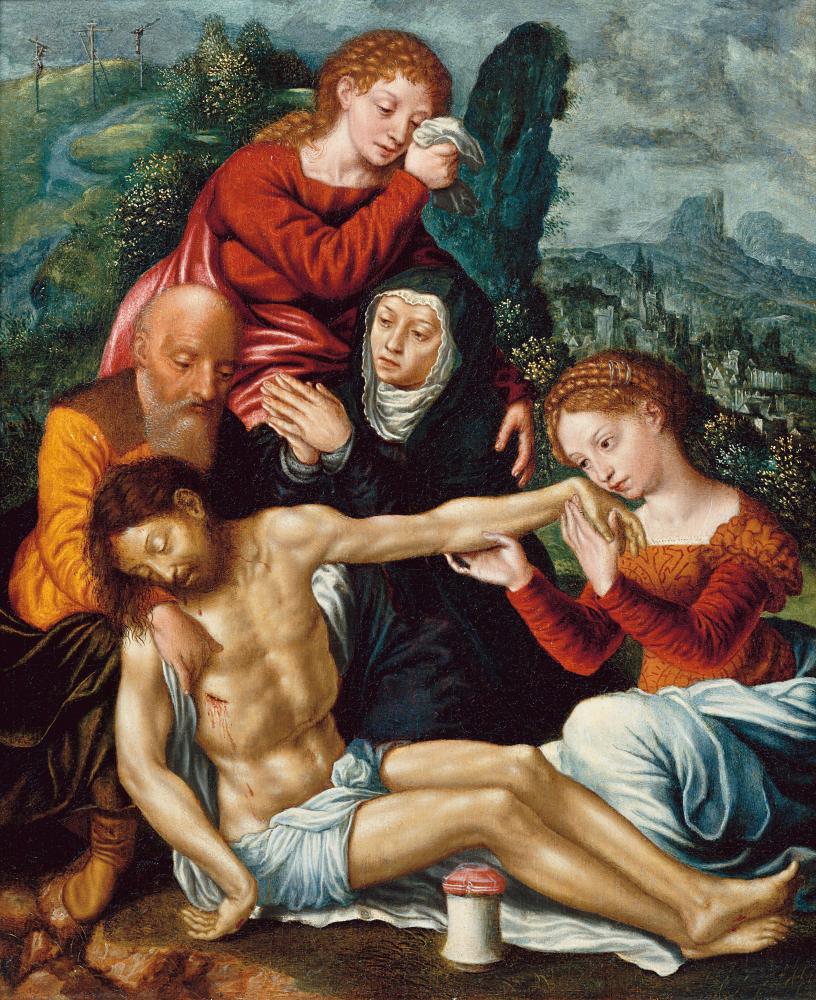
Active from around 1520 to 1556, Jan van Hemessen stands as a pivotal figure in Antwerp’s evolving art scene between Quinten Massijs and Pieter Bruegel the Elder. His evocative body of work, poised between medieval mysticism and humanist realism, features saints and sinners, lovers and fools alike. Though some of his images still leave viewers speechless, his name has faded into obscurity over the centuries.
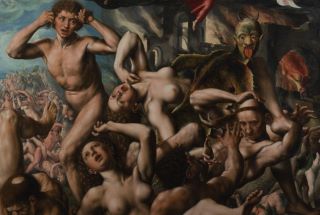
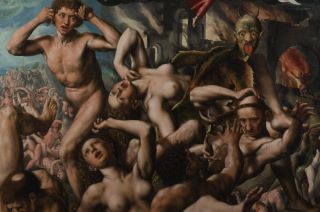
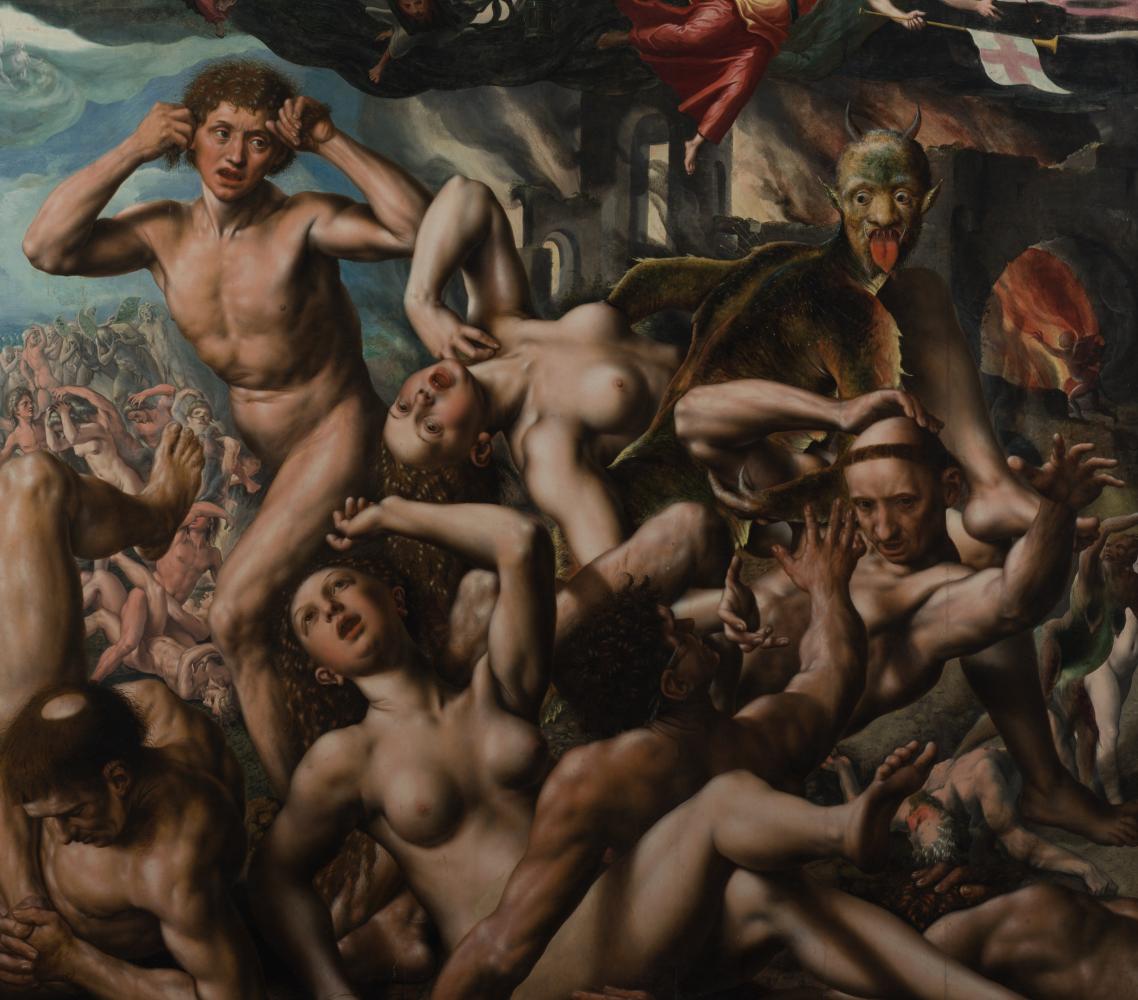
Whether portraying a tear-streaked bride on her wedding day or a life-sized angel with vibrant butterfly wings, Van Hemessen created these works in a studio just steps away from today’s Snijders&Rockoxhuis. A true highlight is his monumental Last Judgment triptych, commissioned five centuries ago by Adriaen Rockox and Catharina van Overhoff. Having always resided in Antwerp’s St. James’ Church, it will be exceptionally displayed in the former home of Nicolaas Rockox during the exhibition. Also featured is Van Hemessen’s Saint Jerome, once owned by Rockox himself, alongside several other masterpieces, many of which have never before left their home institutions.
But this exhibition tells more than the story of one man, it paints a vivid and multifaceted family portrait. In Jan van Hemessen’s workshop, it wasn’t only skilled assistants who were active; it was the same place where his children grew up surrounded by pigments and brushes. Art was not only created here, it was passed down from generation to generation.
Catharina van Hemessen: Daughter and Celebrated Artist
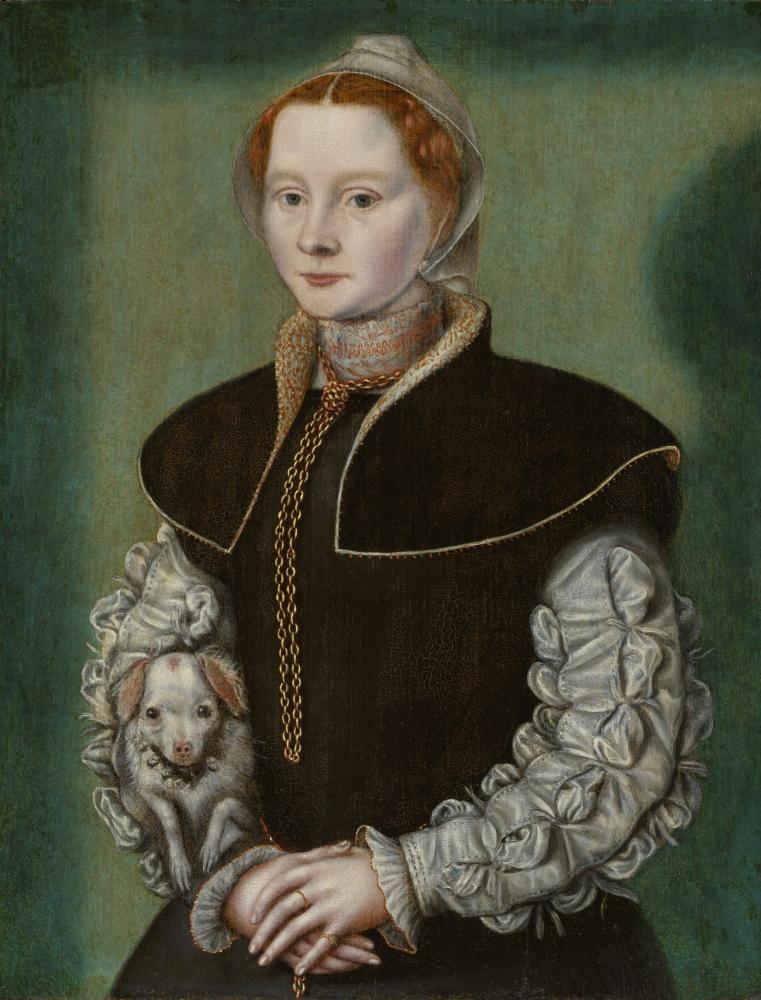
Among Jan’s children, one shines with particular brilliance: Catharina van Hemessen. Today, her name may even sound more familiar than her father’s. As the first female artist from the Habsburg Netherlands whose work has survived, she made history in a time when painting was largely a male domain. Catharina distinguished herself through determination and finesse. Her small-scale paintings reveal both technical mastery and remarkable psychological depth. She signed her works with pride and was celebrated in her lifetime by connoisseurs across Europe, including Guicciardini and Vasari. Around 1556, she even moved to Spain, where she found herself among the noble entourage of Mary of Hungary.
This exhibition brings together a substantial selection from her small yet impressive oeuvre: intimate portraits and religious scenes in which her refined touch can be appreciated up close.
Van Hemessen & Father is far more than a traditional monographic display. It presents an untold story of artistic innovation, of family as a creative ecosystem, of the role of women in art, and of Antwerp as a cradle of bold ideas. This exhibition connects masterpieces with fresh insights and invites reflection on how a love for art is born, passed on, and transformed into lasting beauty.
Exhibition organised by the Museum Snijders&Rockoxhuis and the National Gallery, London. After the Antwerp venue, the exhibition Catharina van Hemessen will be on view at the National Gallery from 4 March to 30 May 2027.
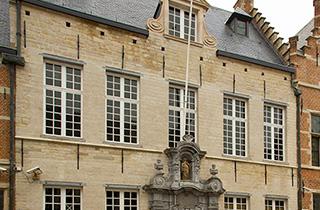
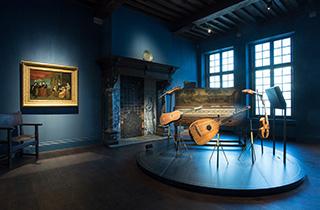
The Snijders&Rockox House

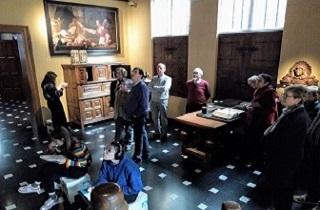
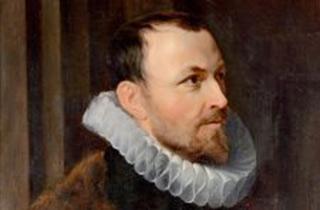
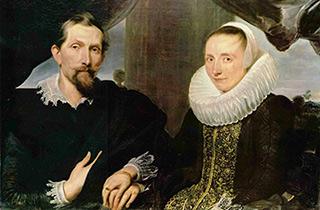
Nicolaas Rockox and Frans Snijders were key figures in Antwerp during the Baroque era.
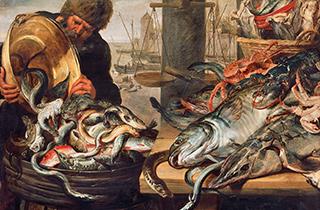
Each made his mark on the city’s cultural and social life – Nicolaas as burgomaster and Frans as a brilliant painter of animals and still lifes. They were also next-door neighbours for 20 years in Keizerstraat.
Their original homes, now carefully restored, both belong to KBC, which opened the Rockox House as a museum some years ago and is now doing the same with the Snijders House.
The everyday world of 17th-century citizens will be evoked through items from the museum’s own collection, supplemented by loans from museums and private collections in Belgium and abroad.
We will be able to view Nicolaas and Frans’s domestic environment through their own eyes, along with the making and promotion of art, collecting and display, markets and richly set tables, nature and gardens, and the humanist and the average citizen in the turbulent era in which they lived.