


Exhibition - Past
FINIS TERRAE - 17/11/2022 – 26/02/2023
The end. A beginning.
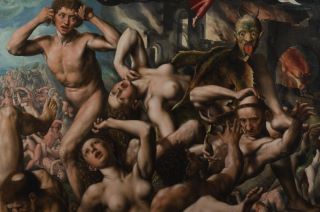
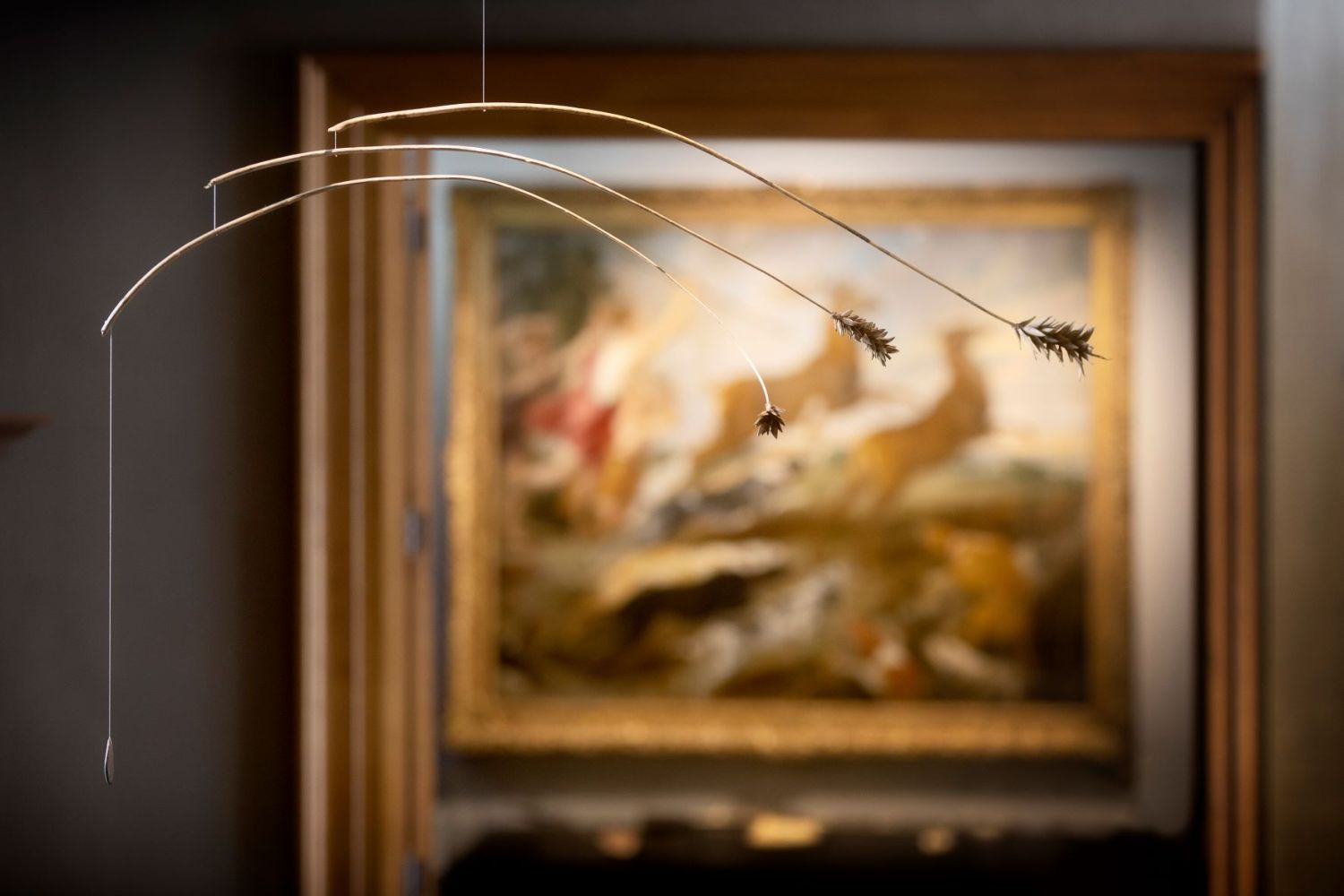
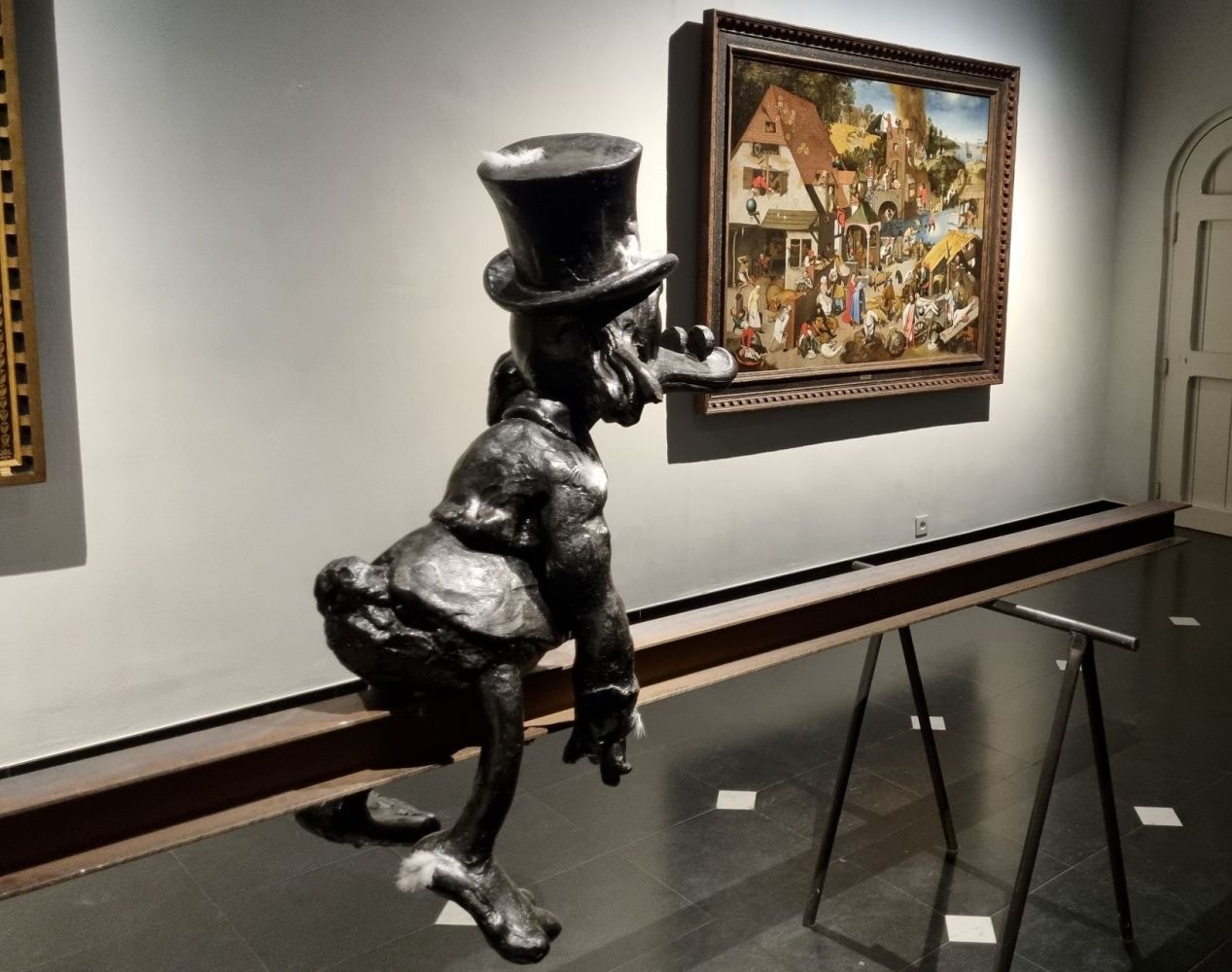
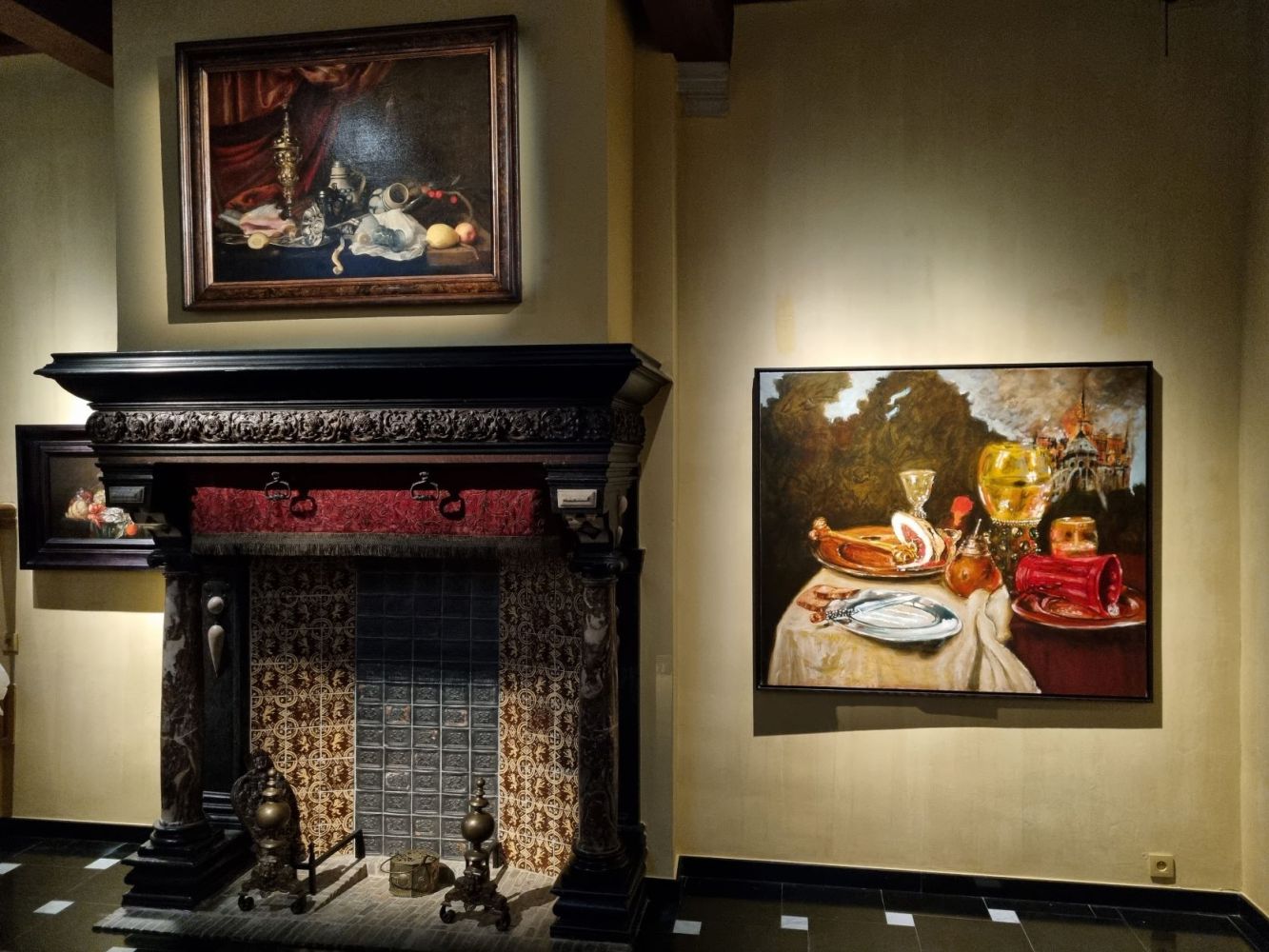
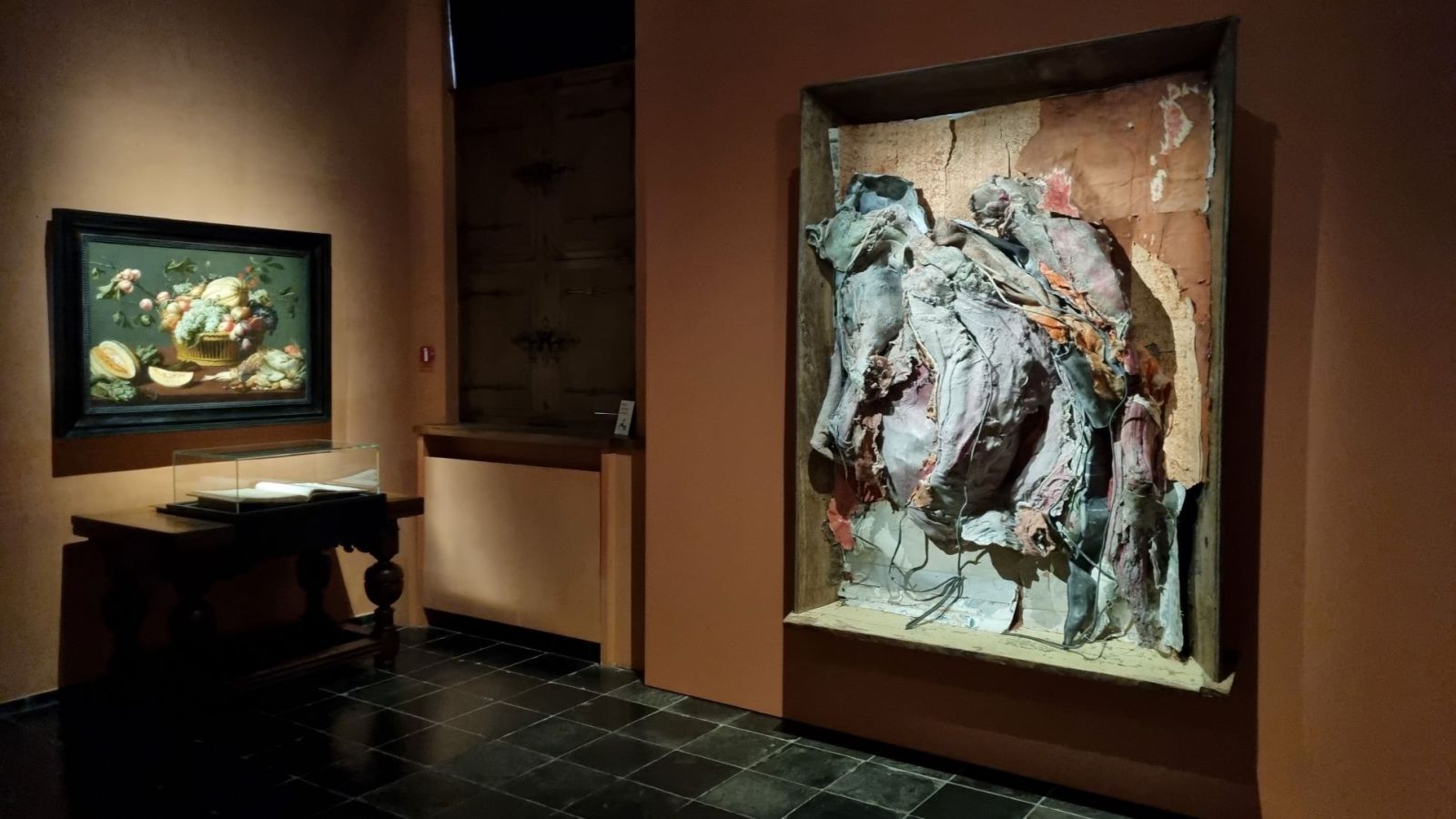
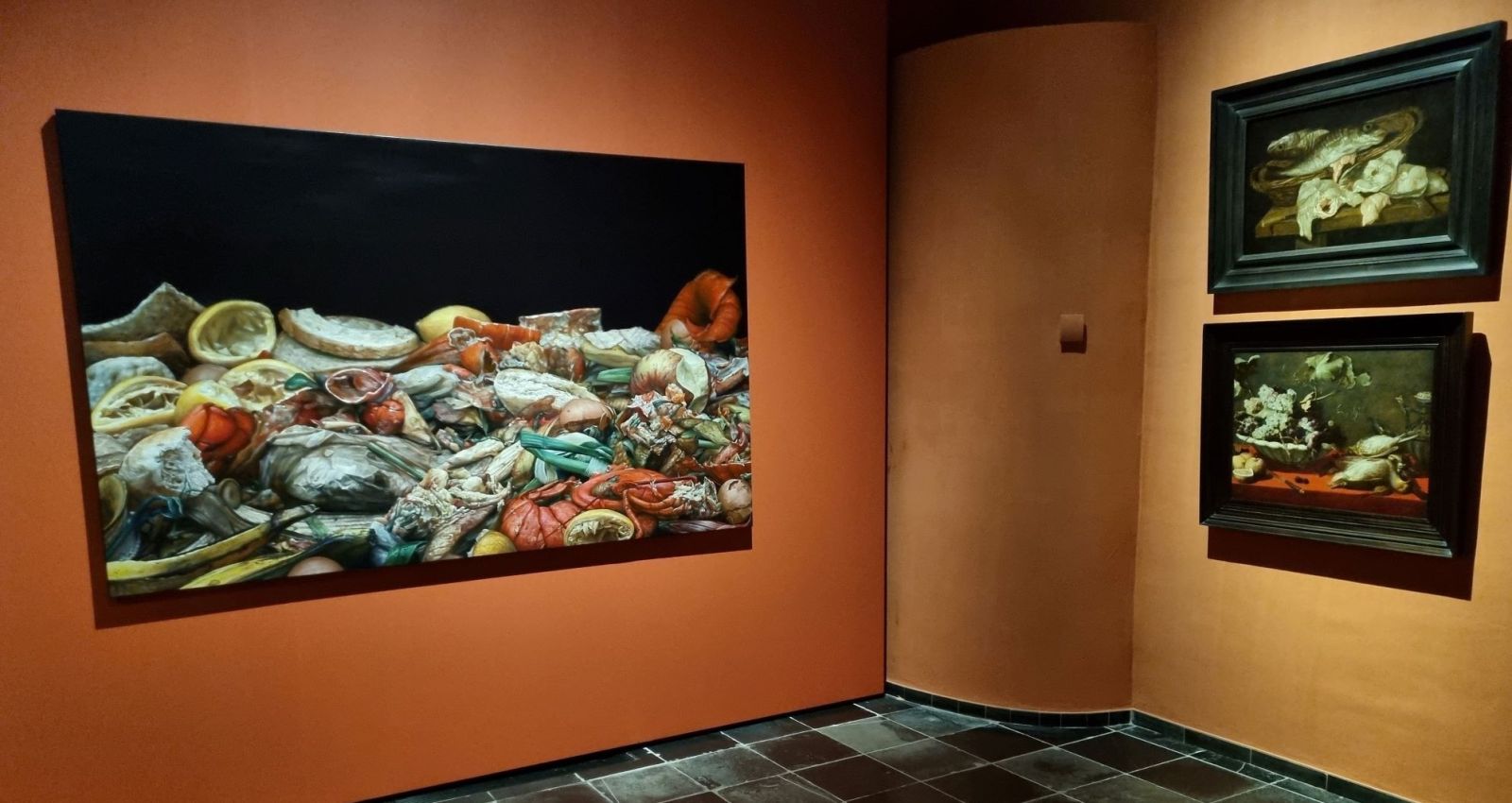
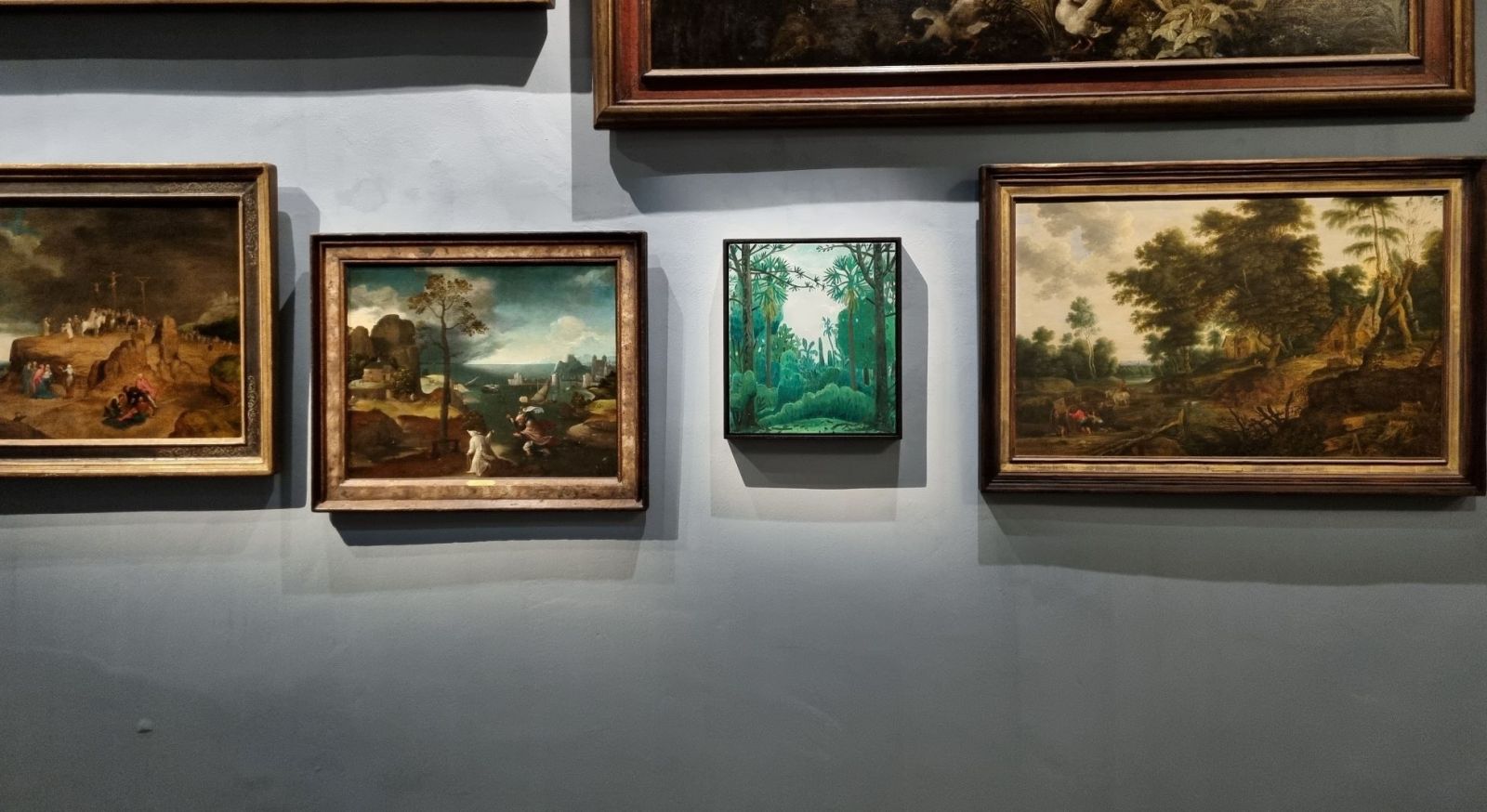
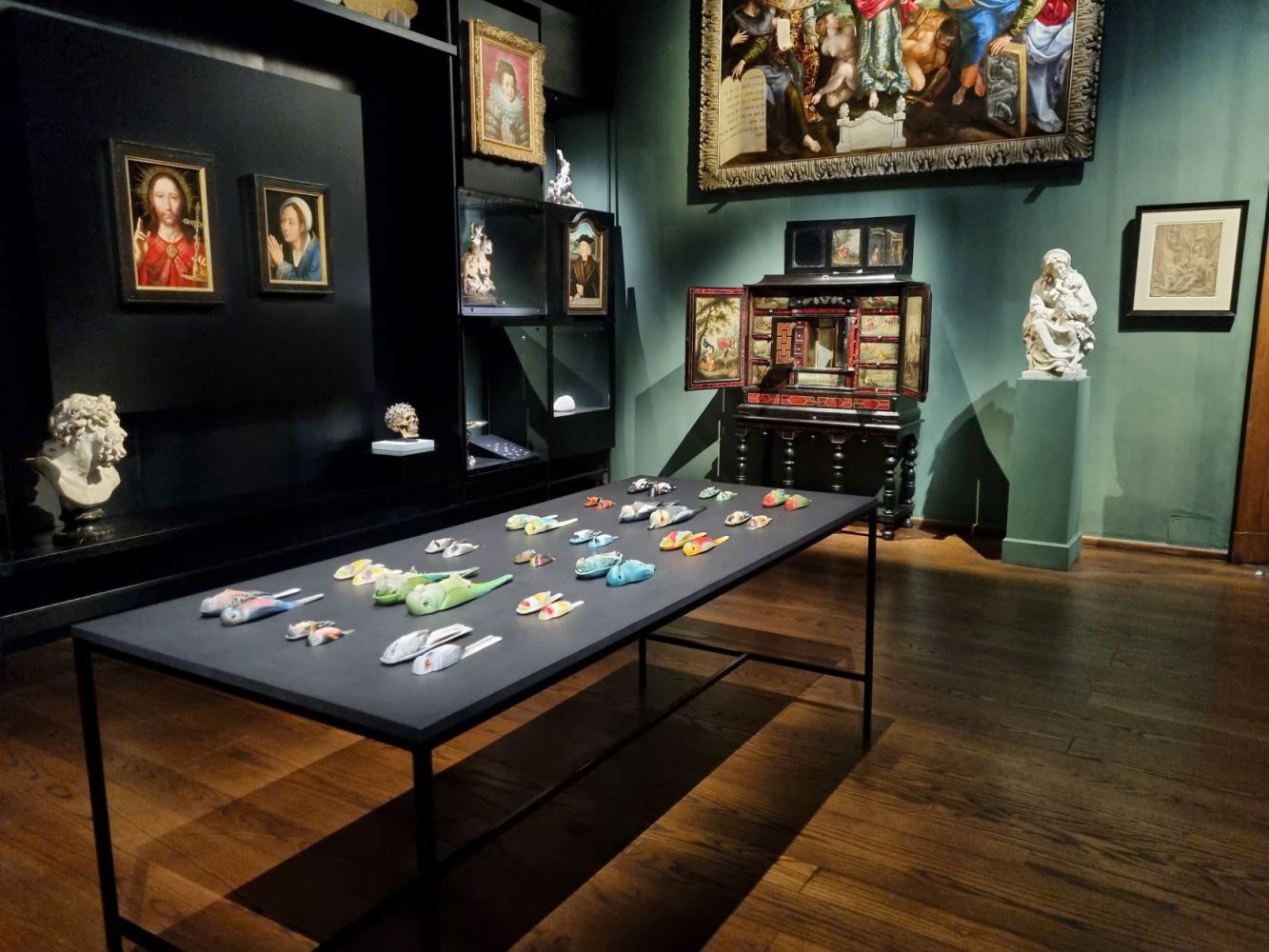
Five years after the successful exhibition ECCE HOMO (2017-2018), Yasmine Geukens & Marie-Paule De Vil, in collaboration with Lien Craps and Eric Rinckhout, are once again organizing a group exhibition uniting contemporary Belgian artists around one contemporary theme: FINIS TERRAE.
This exhibition runs from 17 November 2022 to 26 February 2023, and takes place at various (historical) locations throughout the city of Antwerp.
FINIS TERRAE aims to take a look at our world today. More than ever, the boundaries of our contemporary society are laid bare. In addition, a crisis situation sets minds in motion. The exhibition therefore also aims to highlight hope, the resilience of mankind, and the power of art.
No distinction is made between young and old, male and female, white and colored, nor between any artistic discipline. The curators deliberately opt for living, Belgian artists (and artists residing in Belgium).
Like ECCHE HOMO, this exhibition is linked to the organization HUMAN RIGHTS WATCH, and more specifically to the division of environment and the humanitarian consequences that climate change can bring about.
Artists in the Snijders&Rockox House:
Berlinde De Bruyckere, Thierry De Cordier, Sanam Khatibi, Maarten Vanden Eynde, Cindy Wright, Ben Sledsens , Jan Van Imschoot, Charles Degeyter, Babs Decruyenaere, Lara Gasparotto, Peter De Meyer.
Keyboard Instruments - 26/3 – 26/6/2022
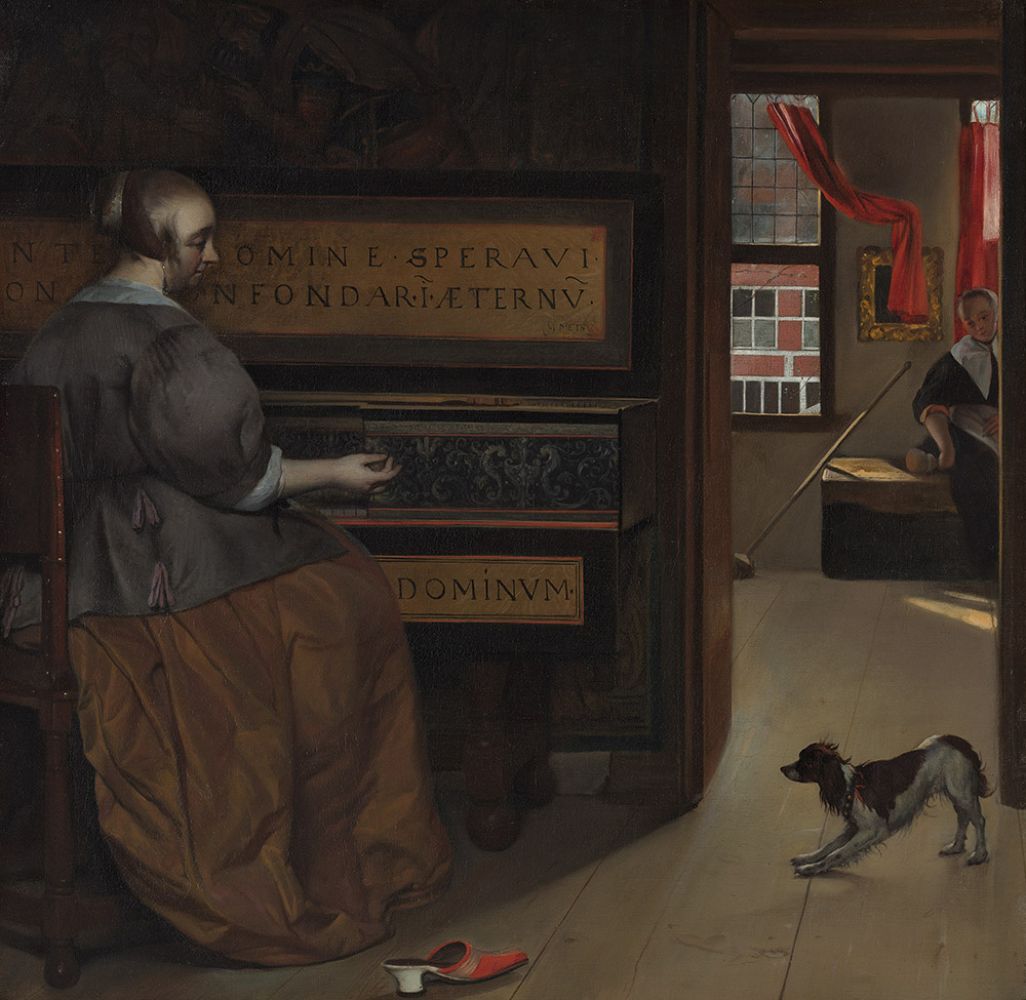
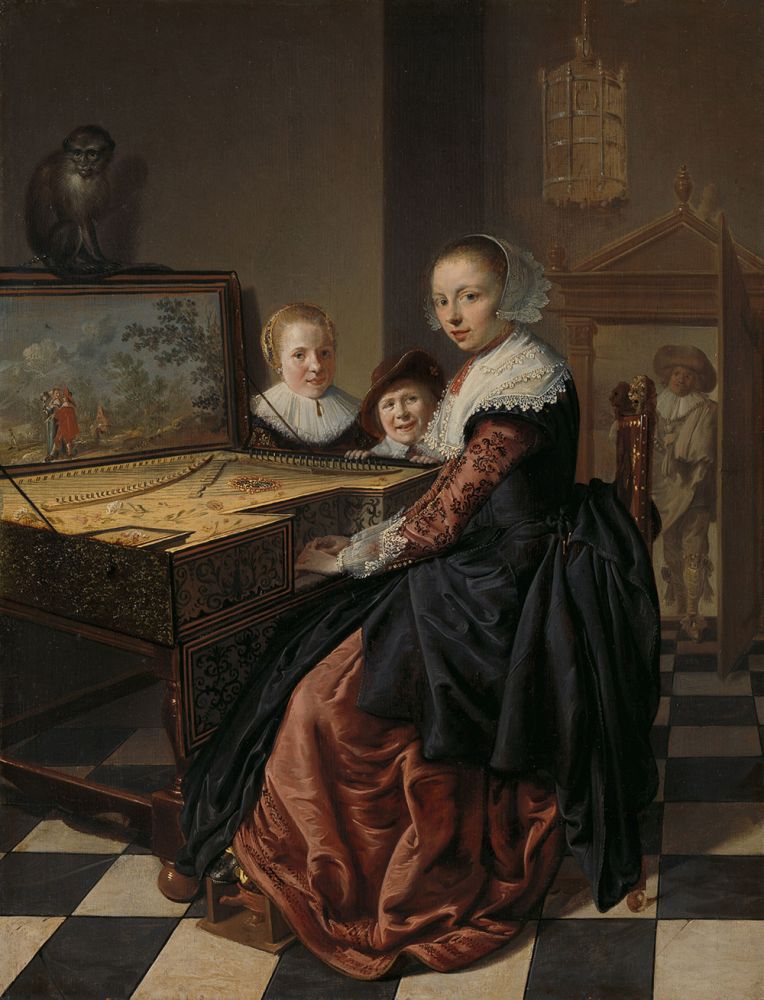
Virginals, harpsichords and organs depicted in the 16th and 17th centuries
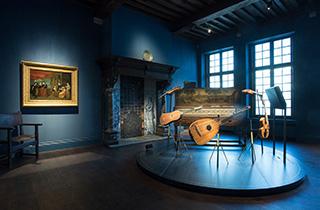
 The Snyders&Rockox House has joined forces with the Vleeshuis Museum in Antwerp to present the exhibition Keyboard Instruments as an extension to its music room.
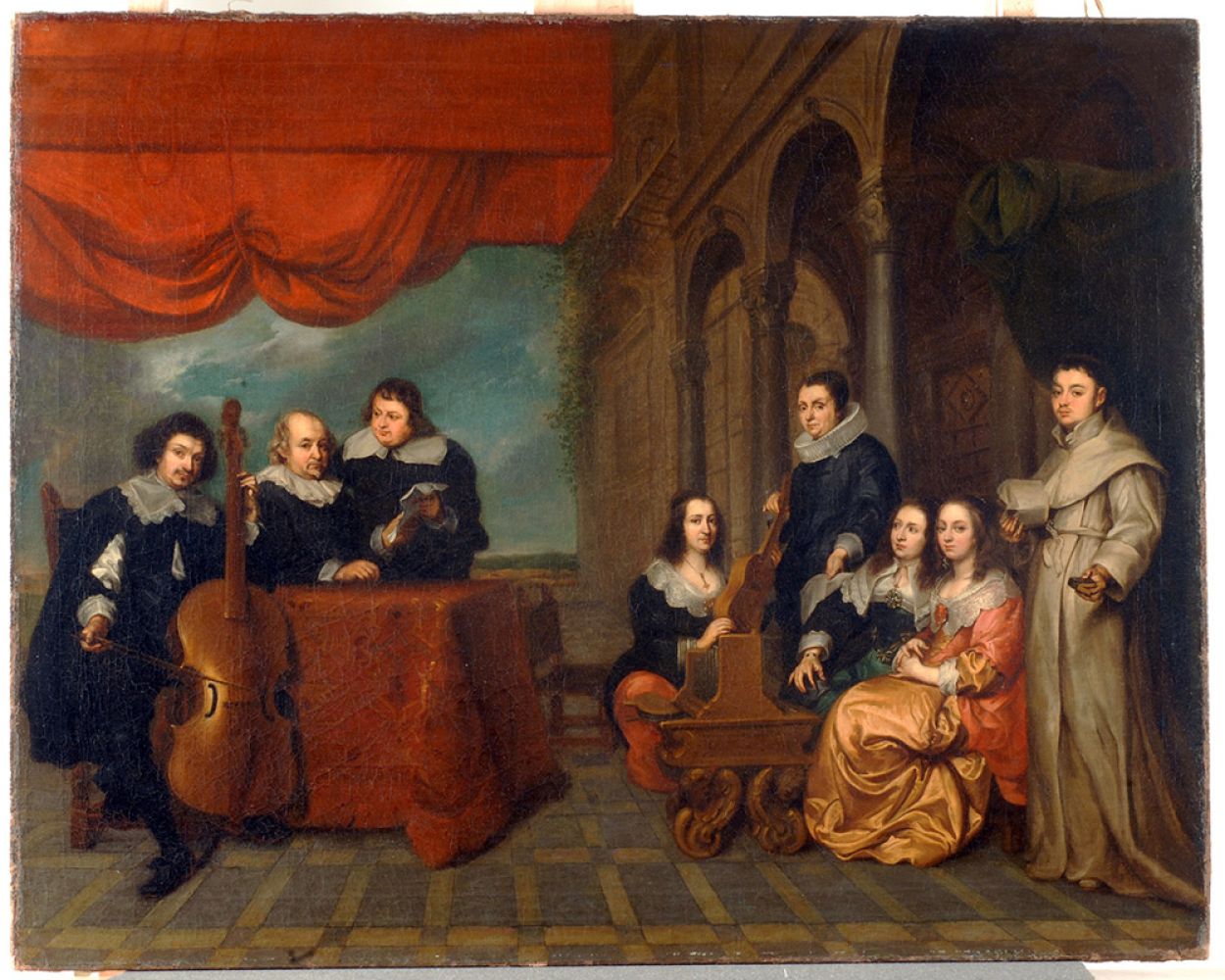
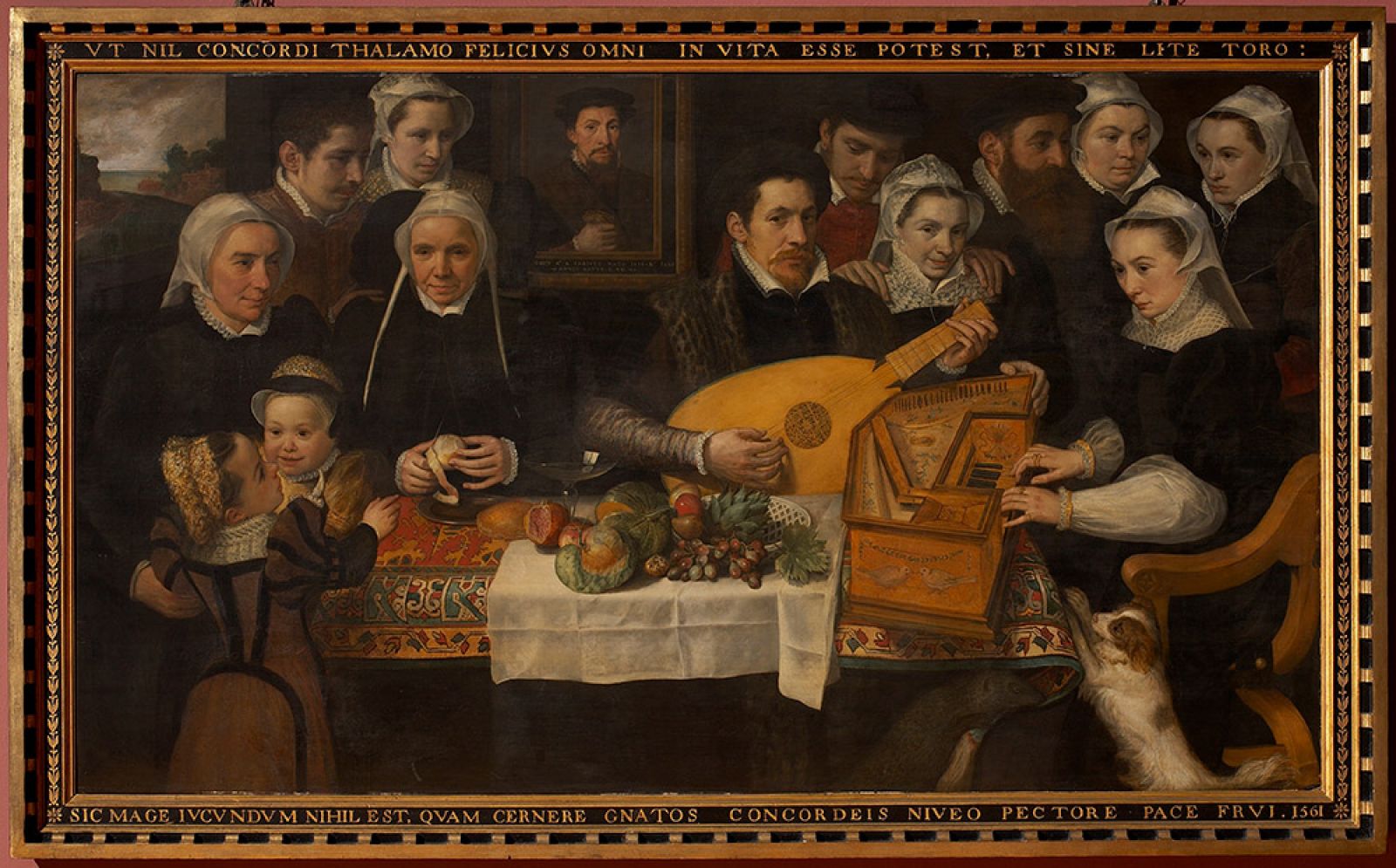
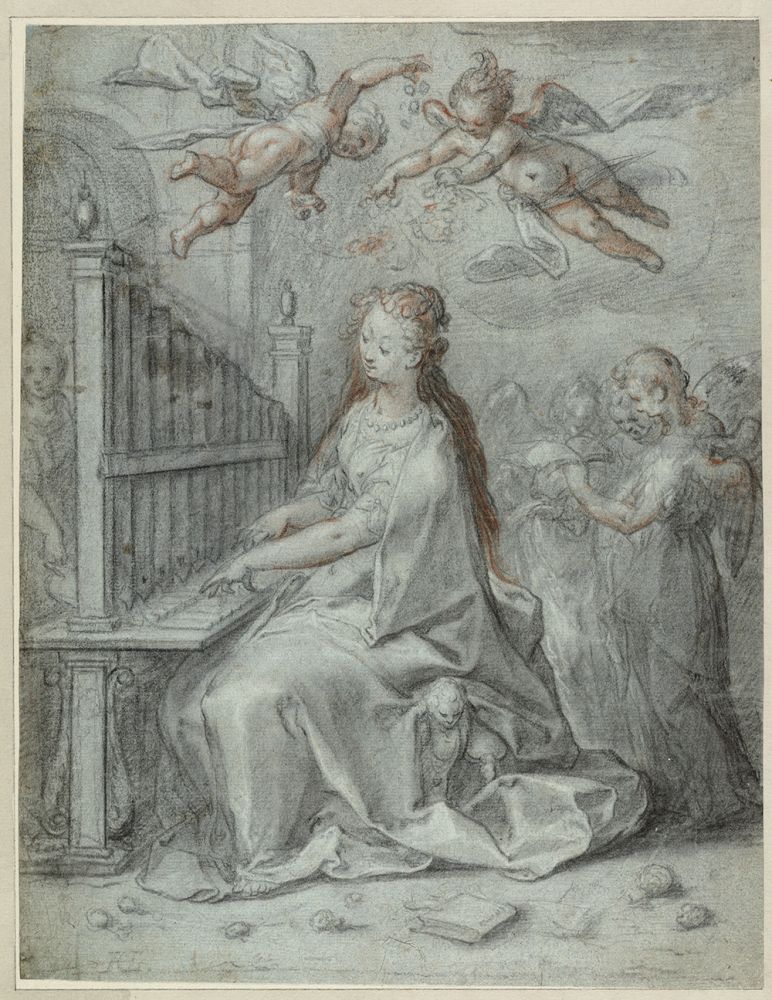
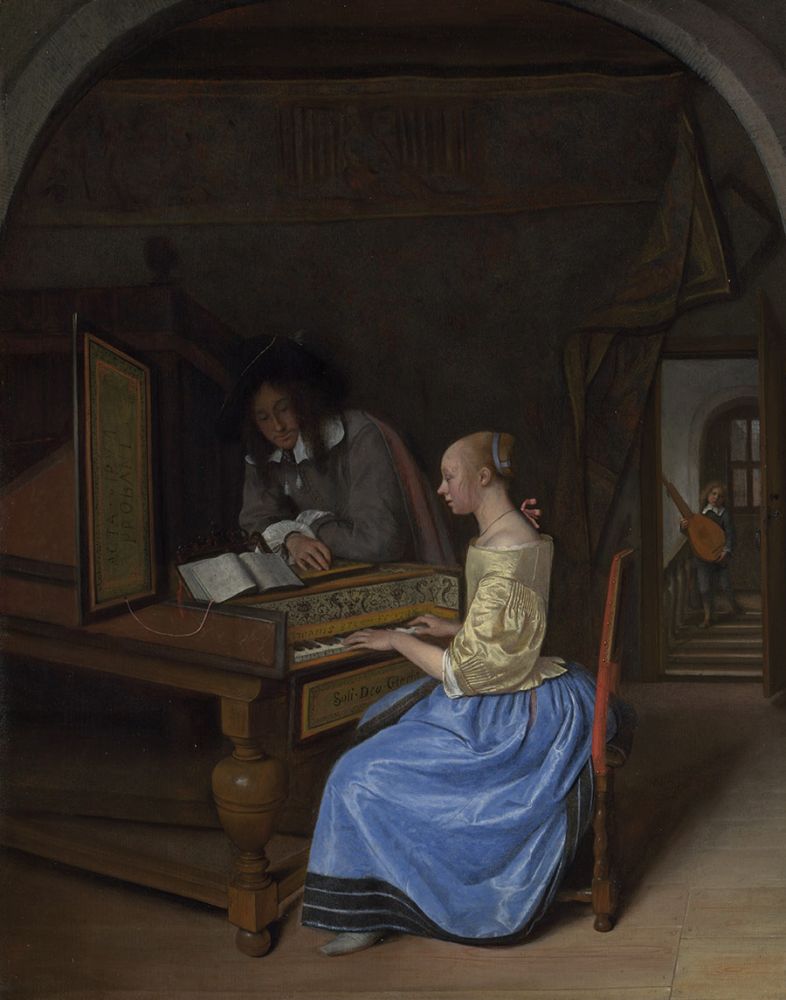
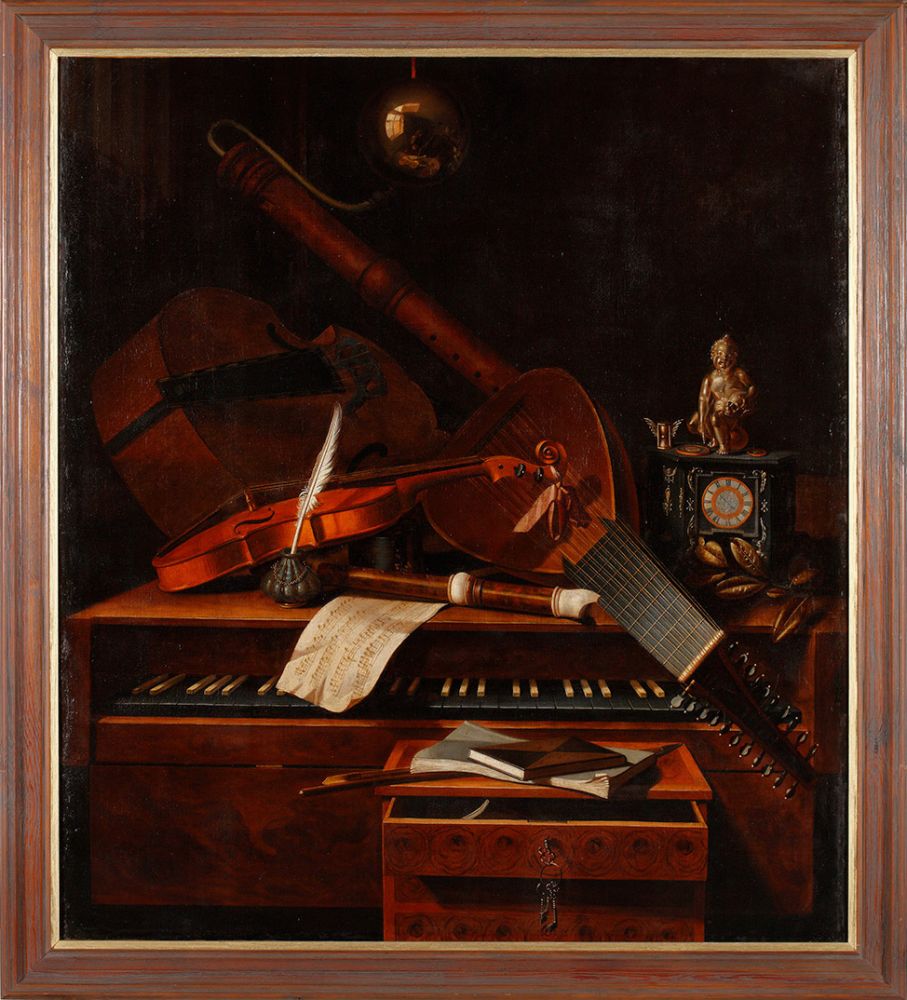
Paintings featuring harpsichords, virginals and organs offer us a glimpse of gorgeous interiors, amorous scenes and finely-dressed ladies – and the occasional young man too – at the keyboard. Keyboard instruments can also be the key to decoding an allegory, myth or hidden message in a painting.
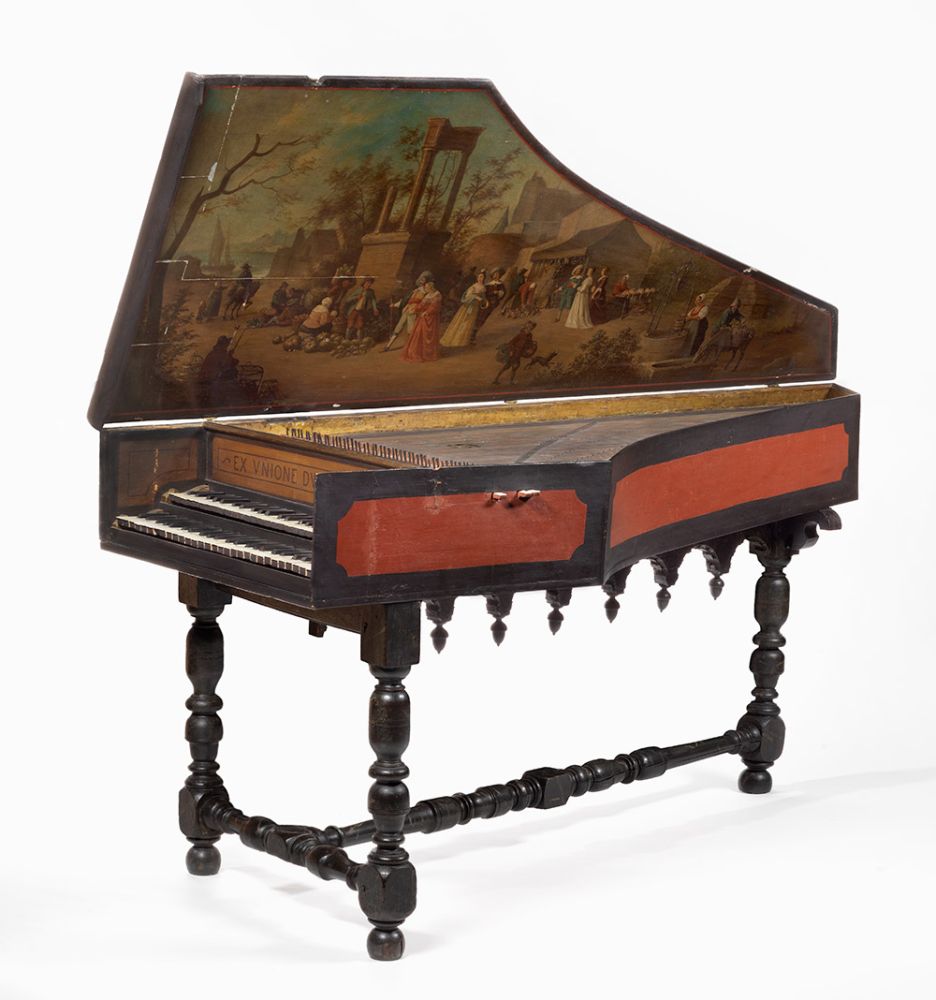
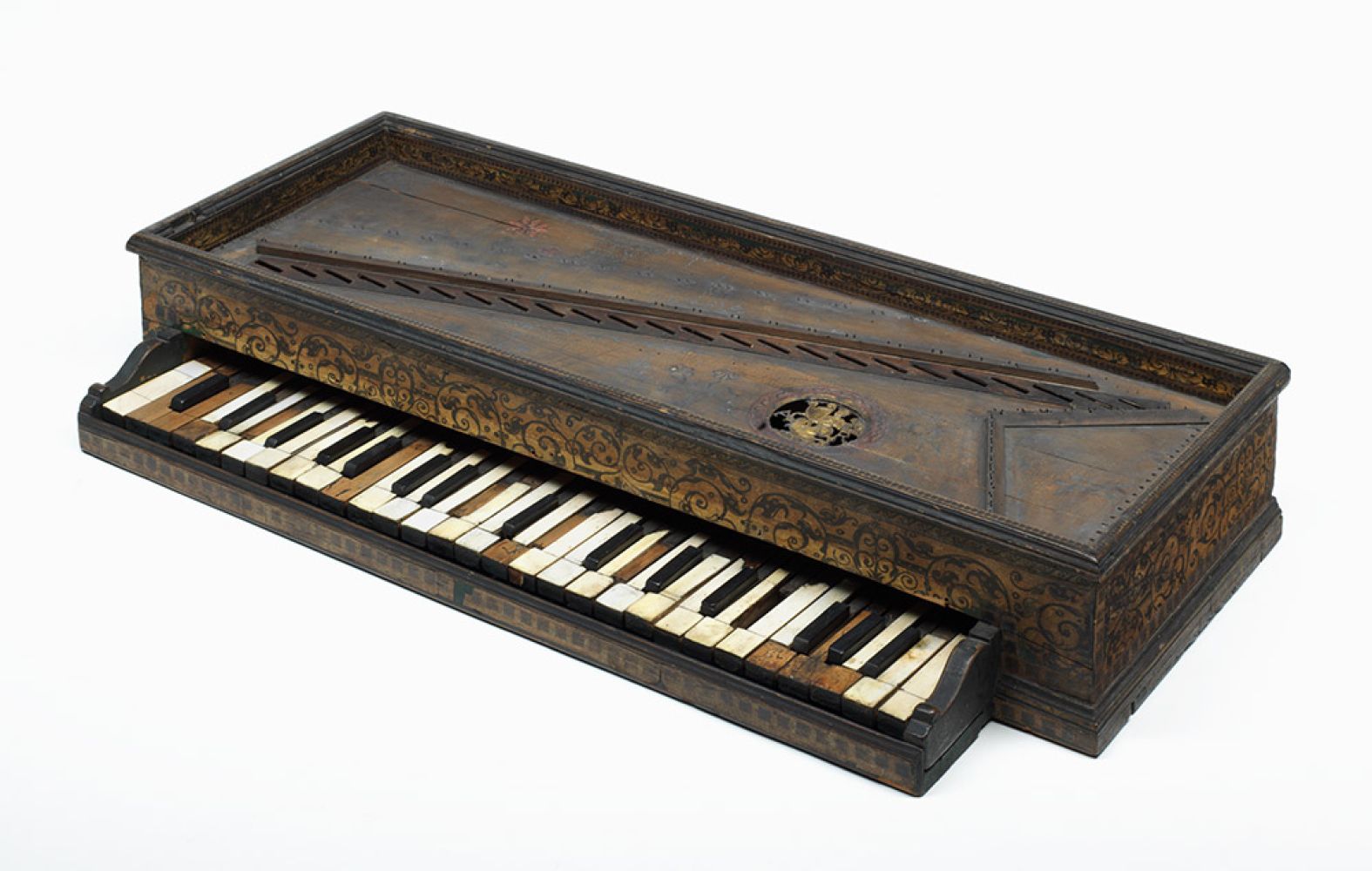
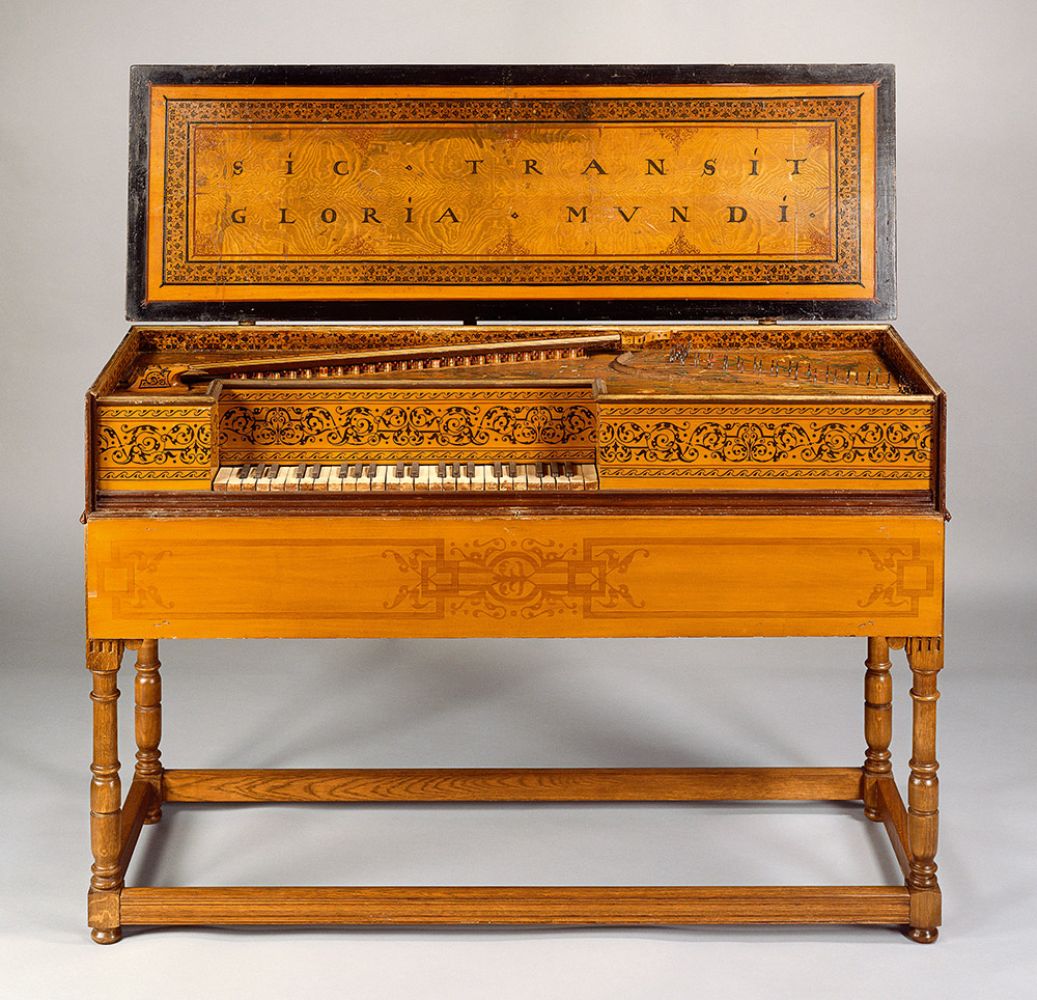
Other exhibits include painted harpsichord and virginal lids as well as original instruments.
Loans from the National Gallery in London, the Rijksmuseum in Amsterdam, the Suermondt-Ludwigmuseum in Aachen and many other museums and collectors offer a delight for eyes and ears.
Read More
The music room at the Snyders&Rockox House evokes the Jewish-Portuguese Duarte family, who came to Antwerp in the 16th century to flee the Inquisition. They were drawn by the commercial opportunities offered by the city, where they lived in a patrician residence on the Meir, the most important street. Besides an exceptional collection of paintings by leading Italian and above all Flemish masters, from Titian and Tintoretto to Quinten Massys, Peter Paul Rubens and Anthony Van Dyck, the family also owned five harpsichords and virginals.
Duarte did not have to look far to find them, as Antwerp was one of the leading centres for the construction of these instruments and two if not more important harpsichord builders belonged to the businessman’s circle of acquaintances.
The first references to harpsichord builders in Antwerp date from the beginning of the 16th century. It was between 1560 and 1660, however, that the city was known as the undisputed world capital of harpsichord production. Every year, Antwerp workshops turned out hundreds of harpsichords and virginals. Contemporaries praised the instruments for the richness of their sound and their reliability. The members of the Ruckers-Couchet family were especially renowned for their exceptionally high-quality instruments. Hans Ruckers, his sons Joannes and Andreas and his grandson Joannes Couchet did for instrument-making what Peter Paul Rubens was doing for painting and Christophe Plantin for printing. The Ruckers-Couchet family was not alone: names like Marten van der Biest, Joos Karest, Cornelis and Simon Hagaerts, Joris Britsen and many others also stood for excellent quality. Antwerp harpsichords and virginals did not only sell very well locally, they were sought-after throughout Europe and even far beyond until well into the eighteenth century. A substantial proportion of Antwerp’s harpsichord output, like that of its paintings and ornamental furniture, was destined for the international market.
The city also developed a strong tradition in the building of domestic and church organs. Dozens of organ builders were active in the 16th century alone, including the Moors and Brebos families. The Ruckers-Couchet family worked with organs too: Joannes Ruckers, for instance, was responsible for a while for maintaining the organ at Antwerp Cathedral.
The rise of the Antwerp keyboard builders was accompanied by a flourishing music printing industry (Antwerp was not the first or the only centre of music publication, but it was certainly one of the most important) and an emerging bourgeois culture in which music too played a part.
The original instruments are a lasting testimony to musical life in Antwerp, as are the paintings that explore them as their subject matter.
‘P.LACE.S - Looking through Antwerp Lace’.
25/09/2021 - 09/01/2022.
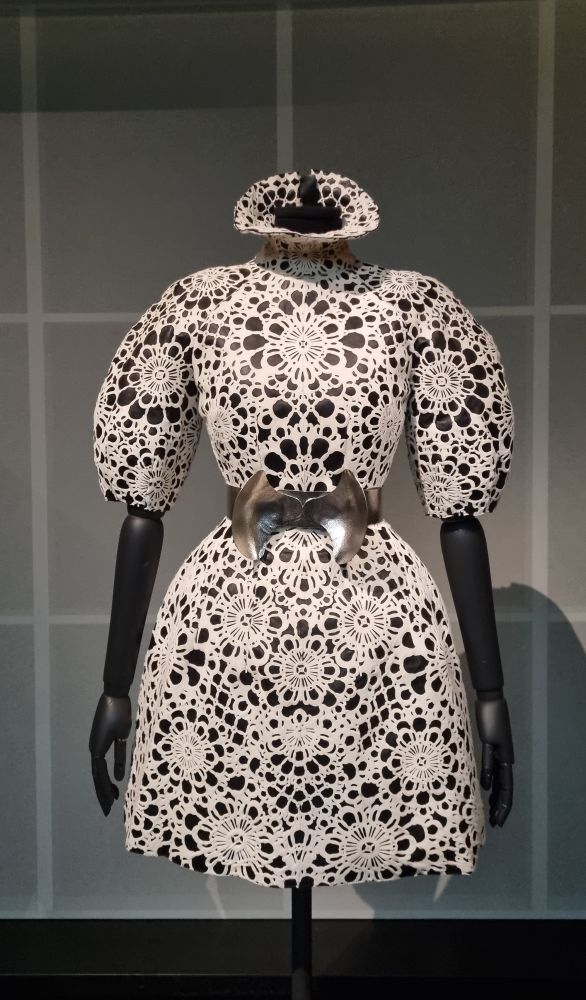
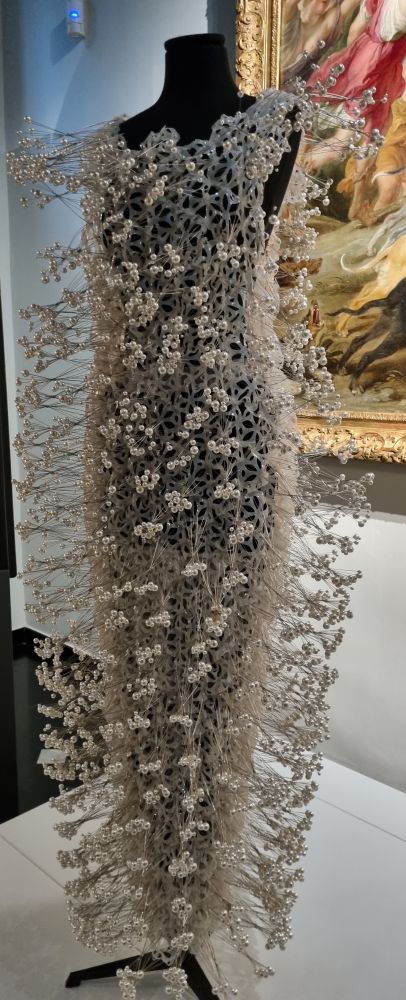
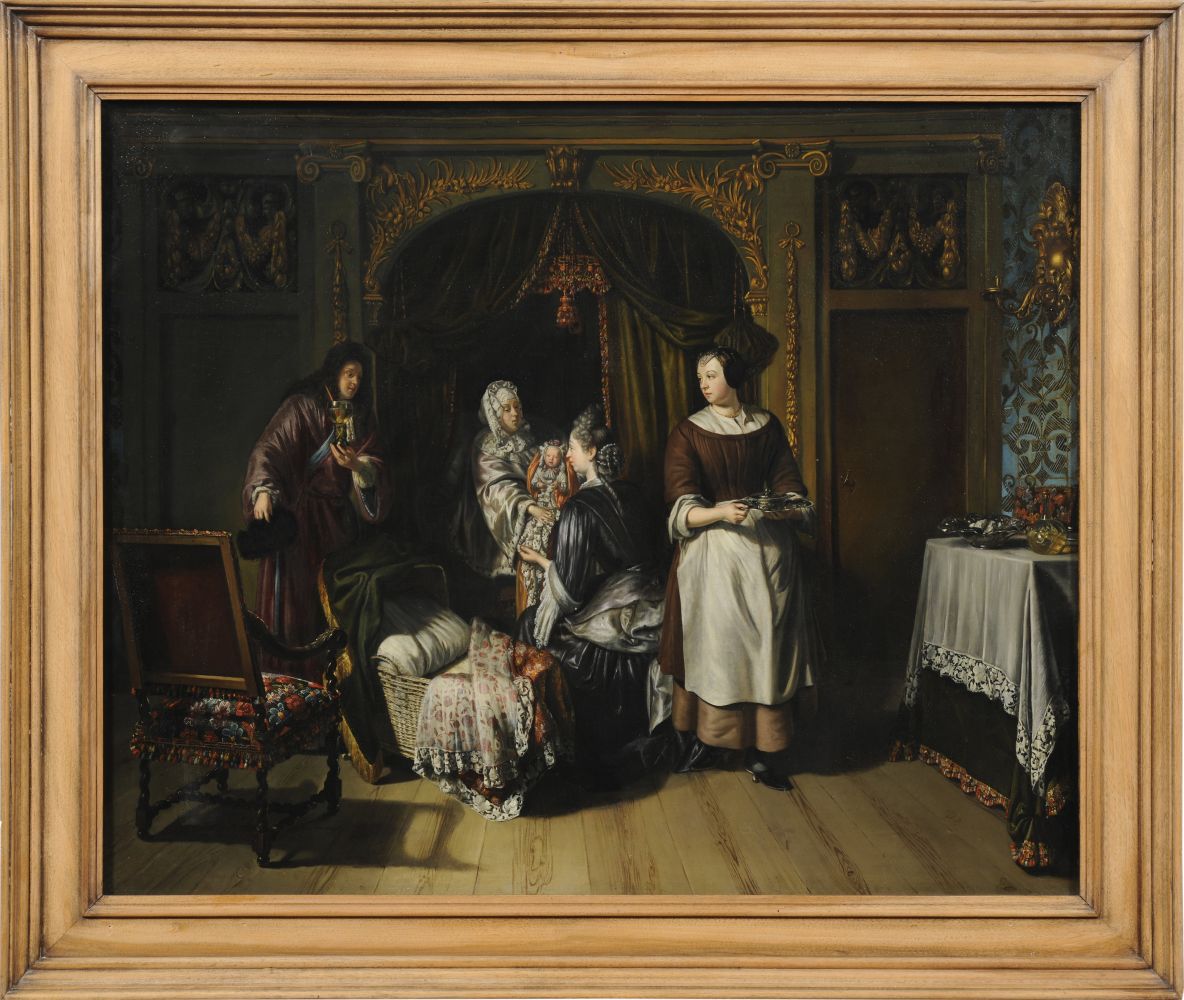
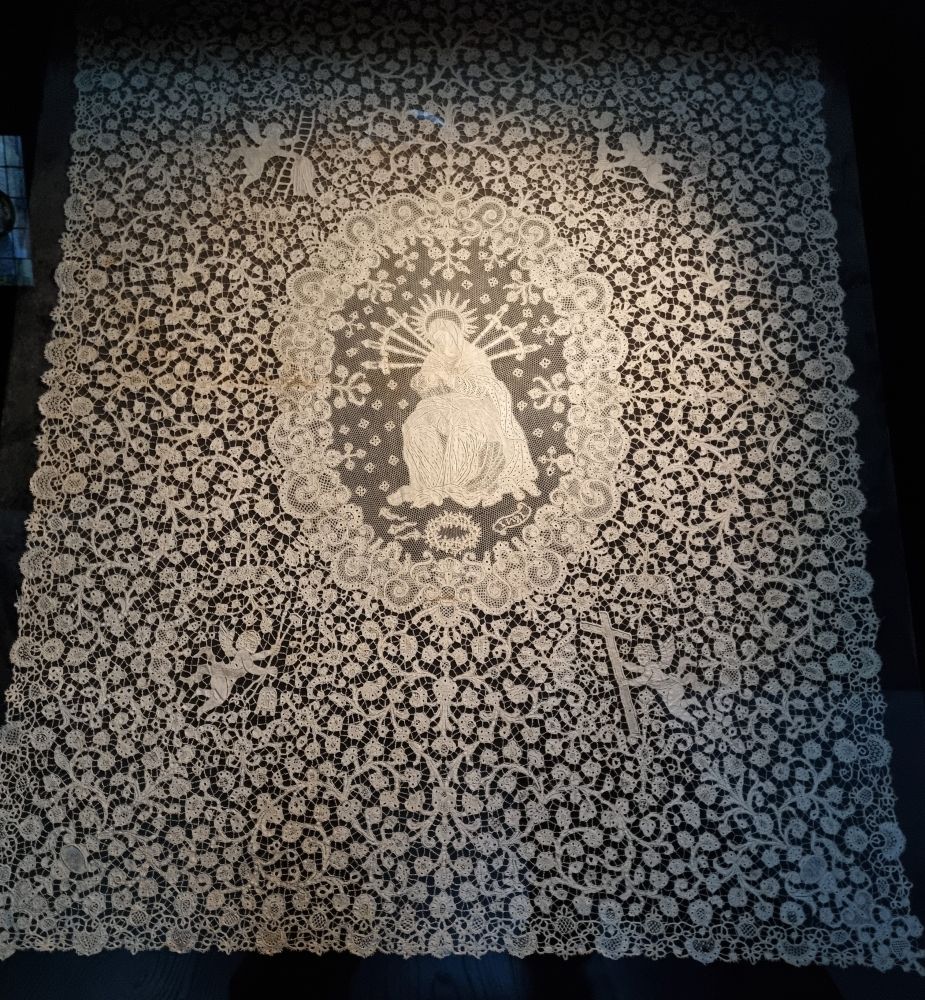
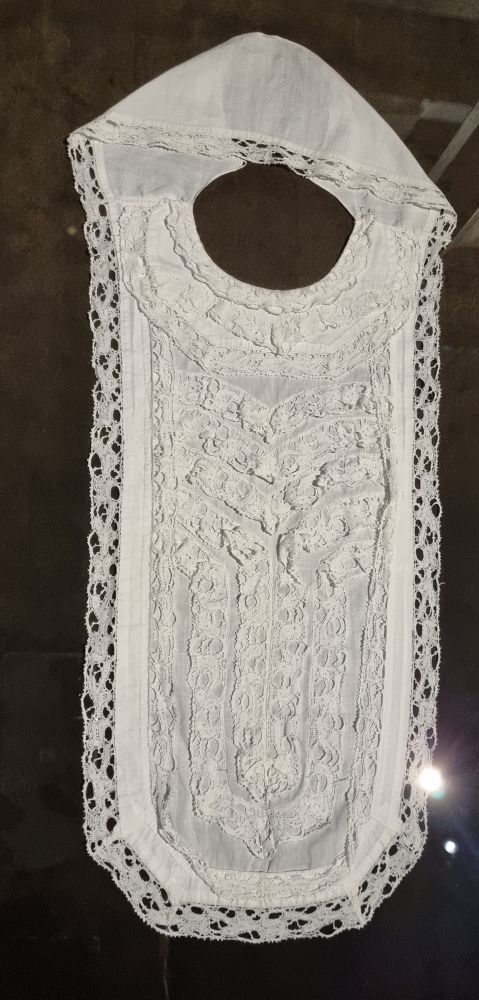
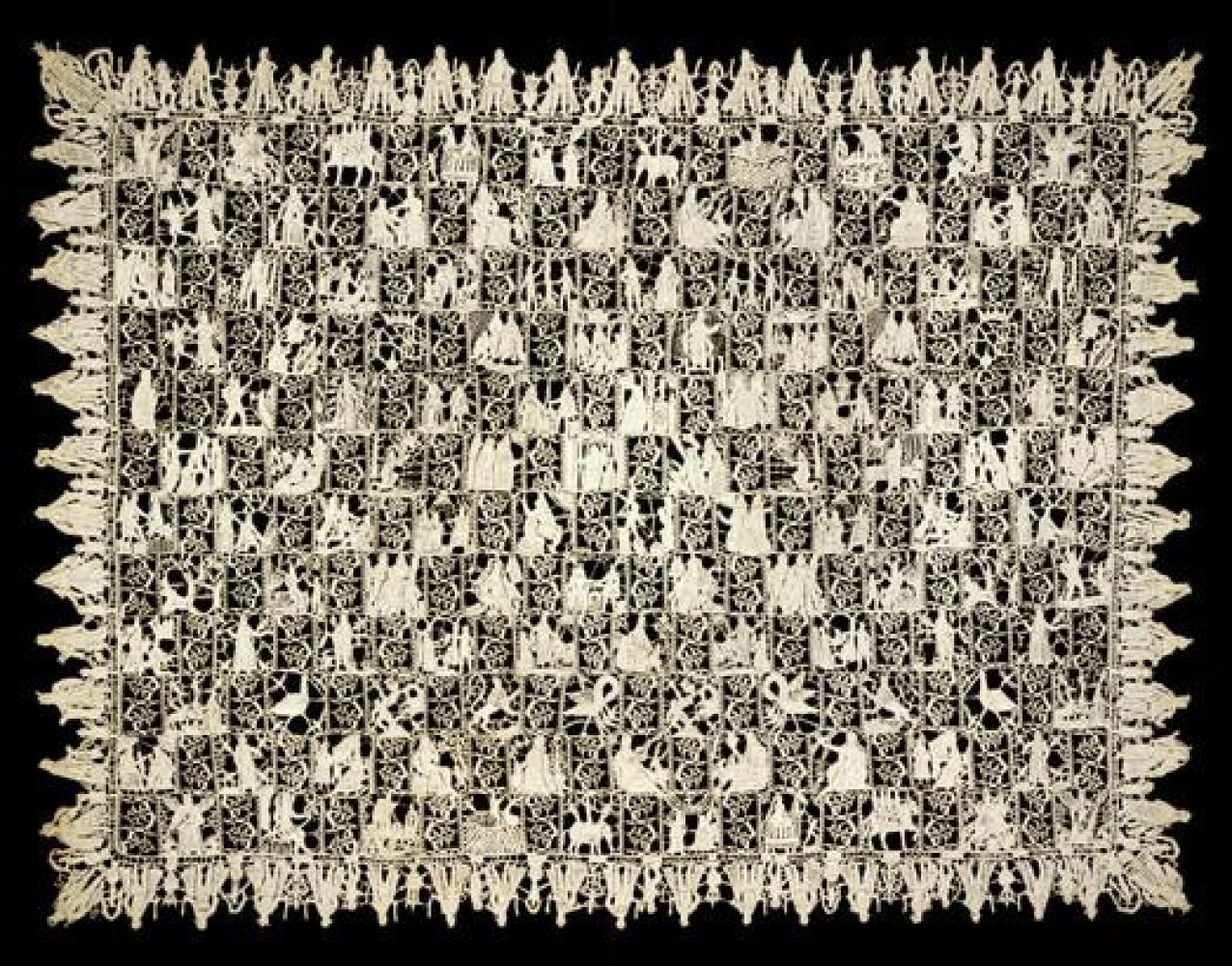
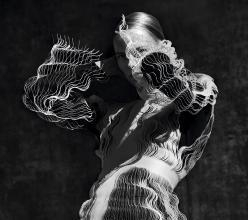 The exhibition ‘P.LACE.S - Looking through Antwerp Lace’ highlights the important role the city played in the production and trade of lace.
MoMu tells this story through an exhibition trail that connects five locations in the city.
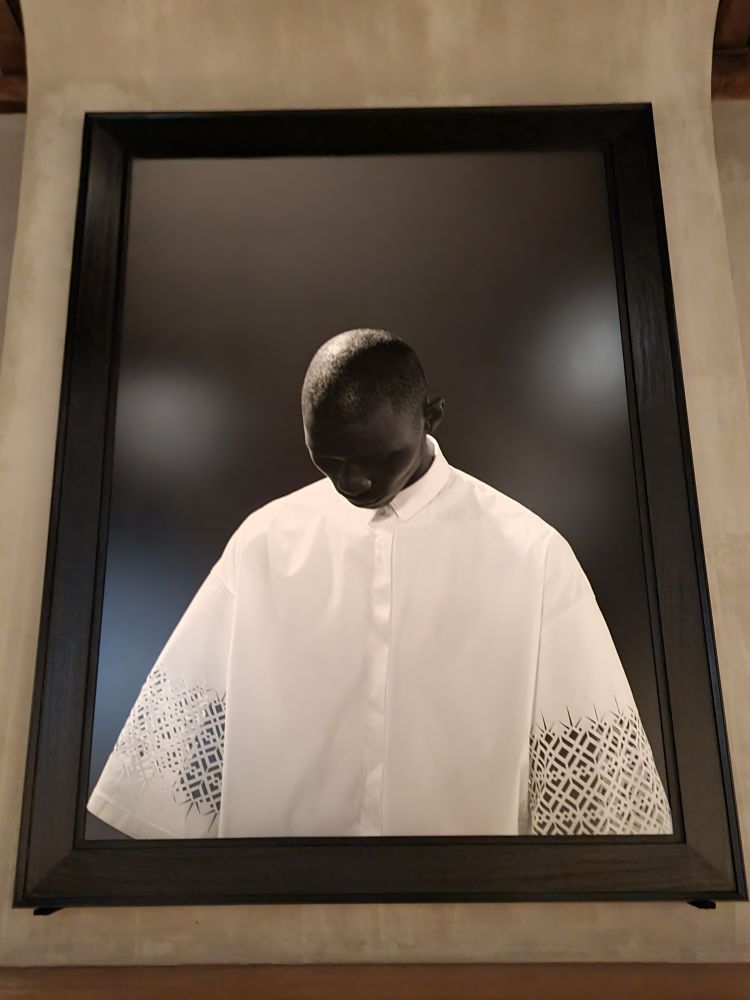
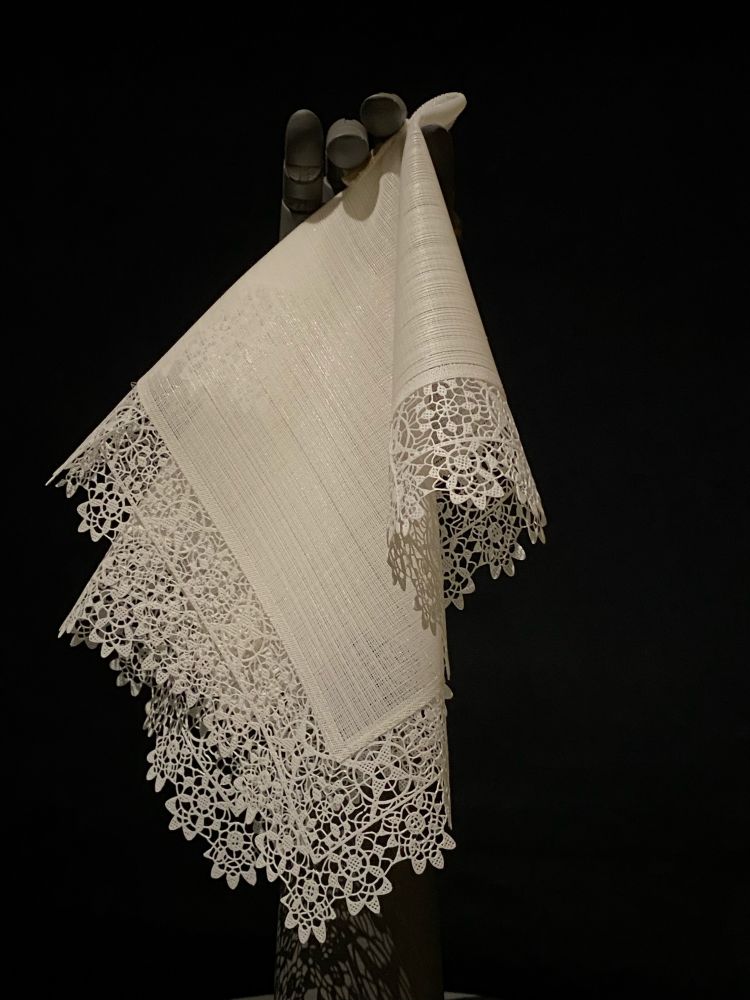
With ‘P.LACE.S’, MoMu is starting a unique conversation between historical textile craft and contemporary fashion to look at our history from a different perspective.
This creates a visual play between past and present, presenting objects from international collections that have never been shown in Belgium before.
In the Snijders&Rockox House, the exhibition shows exceptional lace and contemporary fashion in historic interiors.
Credits : Iris van Herpen S/S 2017 in collaboration with Philip Beesley, Model: Elza Matiz, Photo: Sølve Sundsbø / Art + Commerce
Keyboard Instruments - 26/3 – 26/6/2022
Virginals, harpsichords and organs depicted in the 16th and 17th centuries
The Snyders&Rockox House has joined forces with the Vleeshuis Museum in Antwerp to present the exhibition Keyboard Instruments as an extension to its music room.
Paintings featuring harpsichords, virginals and organs offer us a glimpse of gorgeous interiors, amorous scenes and finely-dressed ladies – and the occasional young man too – at the keyboard. Keyboard instruments can also be the key to decoding an allegory, myth or hidden message in a painting.
Other exhibits include painted harpsichord and virginal lids as well as original instruments.
Loans from the National Gallery in London, the Rijksmuseum in Amsterdam, the Suermondt-Ludwigmuseum in Aachen and many other museums and collectors offer a delight for eyes and ears.
Read More
The music room at the Snyders&Rockox House evokes the Jewish-Portuguese Duarte family, who came to Antwerp in the 16th century to flee the Inquisition. They were drawn by the commercial opportunities offered by the city, where they lived in a patrician residence on the Meir, the most important street. Besides an exceptional collection of paintings by leading Italian and above all Flemish masters, from Titian and Tintoretto to Quinten Massys, Peter Paul Rubens and Anthony Van Dyck, the family also owned five harpsichords and virginals.
Duarte did not have to look far to find them, as Antwerp was one of the leading centres for the construction of these instruments and two if not more important harpsichord builders belonged to the businessman’s circle of acquaintances.
The first references to harpsichord builders in Antwerp date from the beginning of the 16th century. It was between 1560 and 1660, however, that the city was known as the undisputed world capital of harpsichord production. Every year, Antwerp workshops turned out hundreds of harpsichords and virginals. Contemporaries praised the instruments for the richness of their sound and their reliability. The members of the Ruckers-Couchet family were especially renowned for their exceptionally high-quality instruments. Hans Ruckers, his sons Joannes and Andreas and his grandson Joannes Couchet did for instrument-making what Peter Paul Rubens was doing for painting and Christophe Plantin for printing. The Ruckers-Couchet family was not alone: names like Marten van der Biest, Joos Karest, Cornelis and Simon Hagaerts, Joris Britsen and many others also stood for excellent quality. Antwerp harpsichords and virginals did not only sell very well locally, they were sought-after throughout Europe and even far beyond until well into the eighteenth century. A substantial proportion of Antwerp’s harpsichord output, like that of its paintings and ornamental furniture, was destined for the international market.
The city also developed a strong tradition in the building of domestic and church organs. Dozens of organ builders were active in the 16th century alone, including the Moors and Brebos families. The Ruckers-Couchet family worked with organs too: Joannes Ruckers, for instance, was responsible for a while for maintaining the organ at Antwerp Cathedral.
The rise of the Antwerp keyboard builders was accompanied by a flourishing music printing industry (Antwerp was not the first or the only centre of music publication, but it was certainly one of the most important) and an emerging bourgeois culture in which music too played a part.
The original instruments are a lasting testimony to musical life in Antwerp, as are the paintings that explore them as their subject matter.
THE BOLD AND THE BEAUTIFUL.
in Flemish Portraits.
14 March – 5 April 2021 (Extension of the exhibition!).
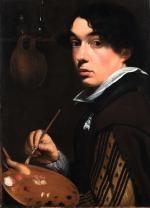
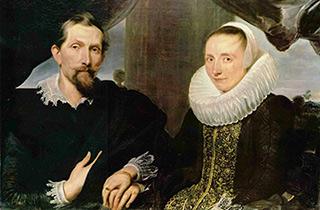
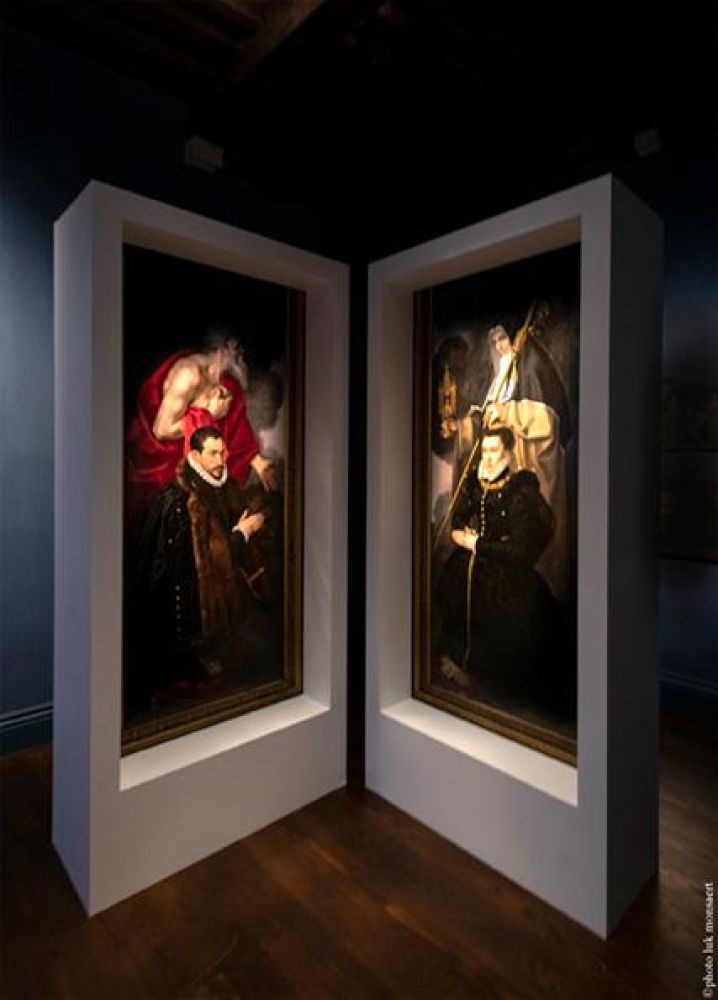
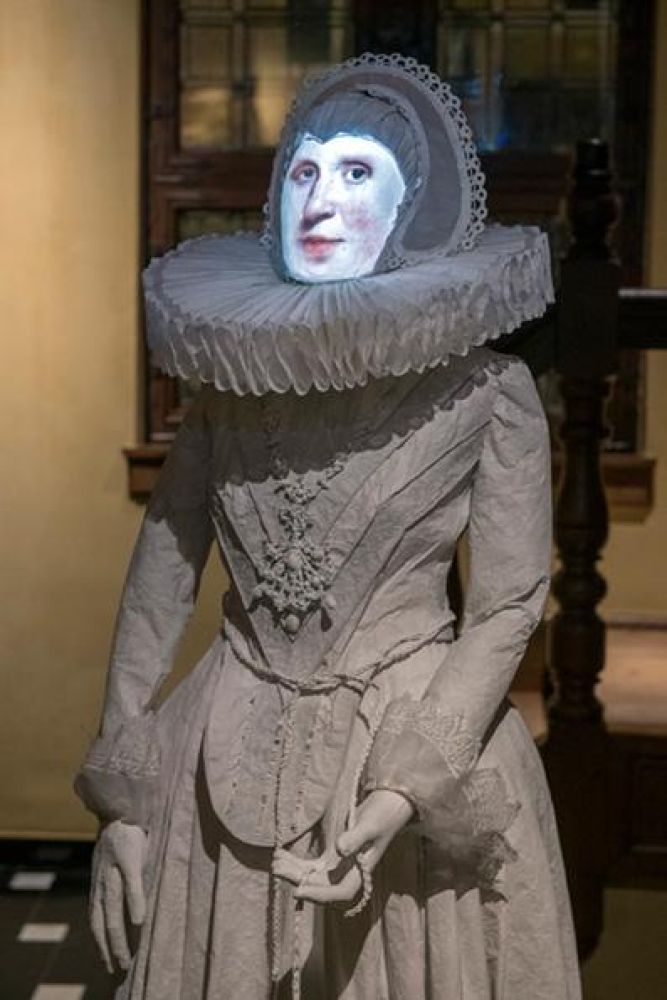
Portraits from the Renaissance and the Baroque: what do these long-forgotten people from centuries past mean to us?
They gaze at us, perhaps with a half-smile, or else ignore us completely. Without uttering a word. All the same, they have so much to tell. About their fascinating lives and who they were or hoped to be. Allow your eyes to stray over these works and discover the many clues they conceal.
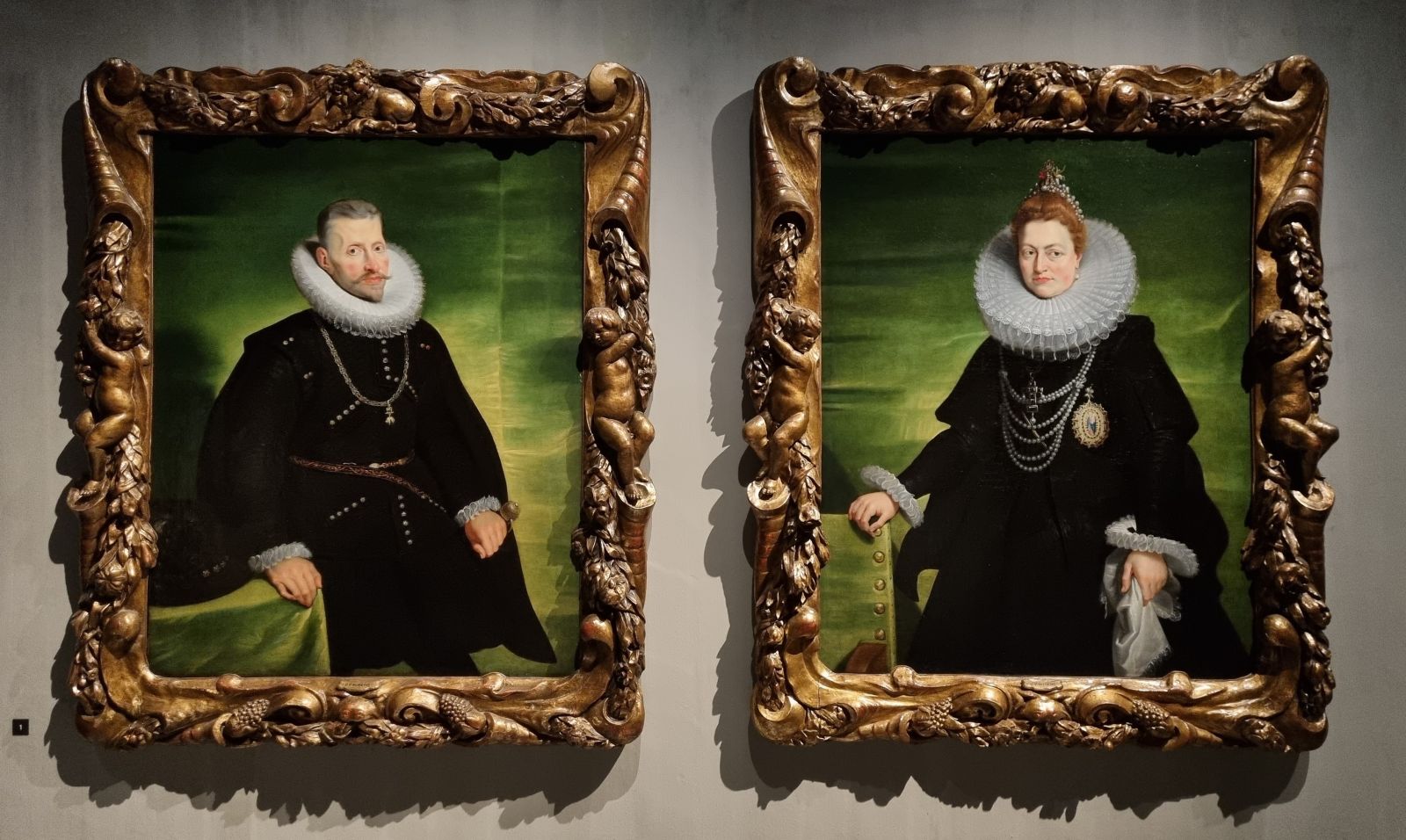
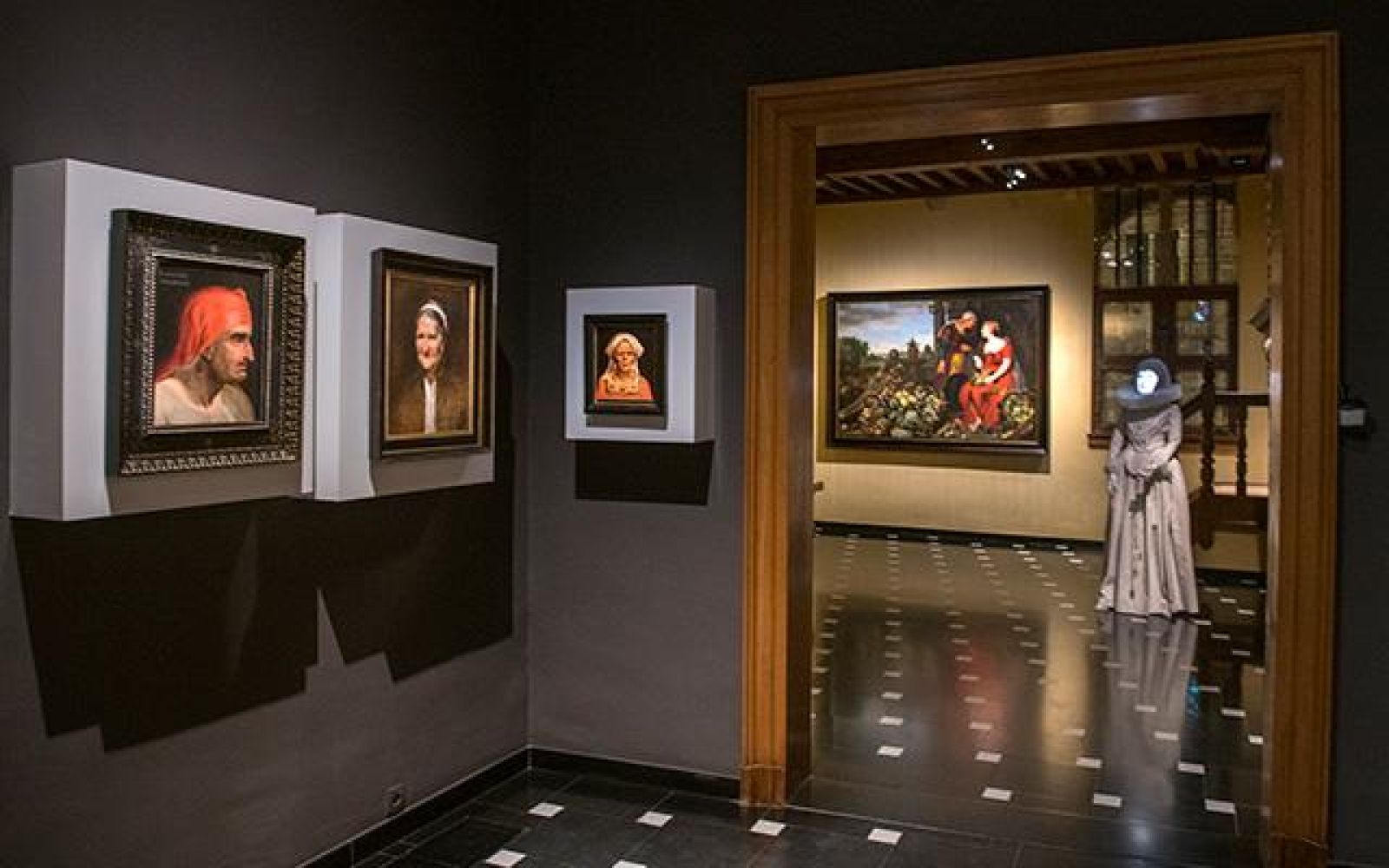
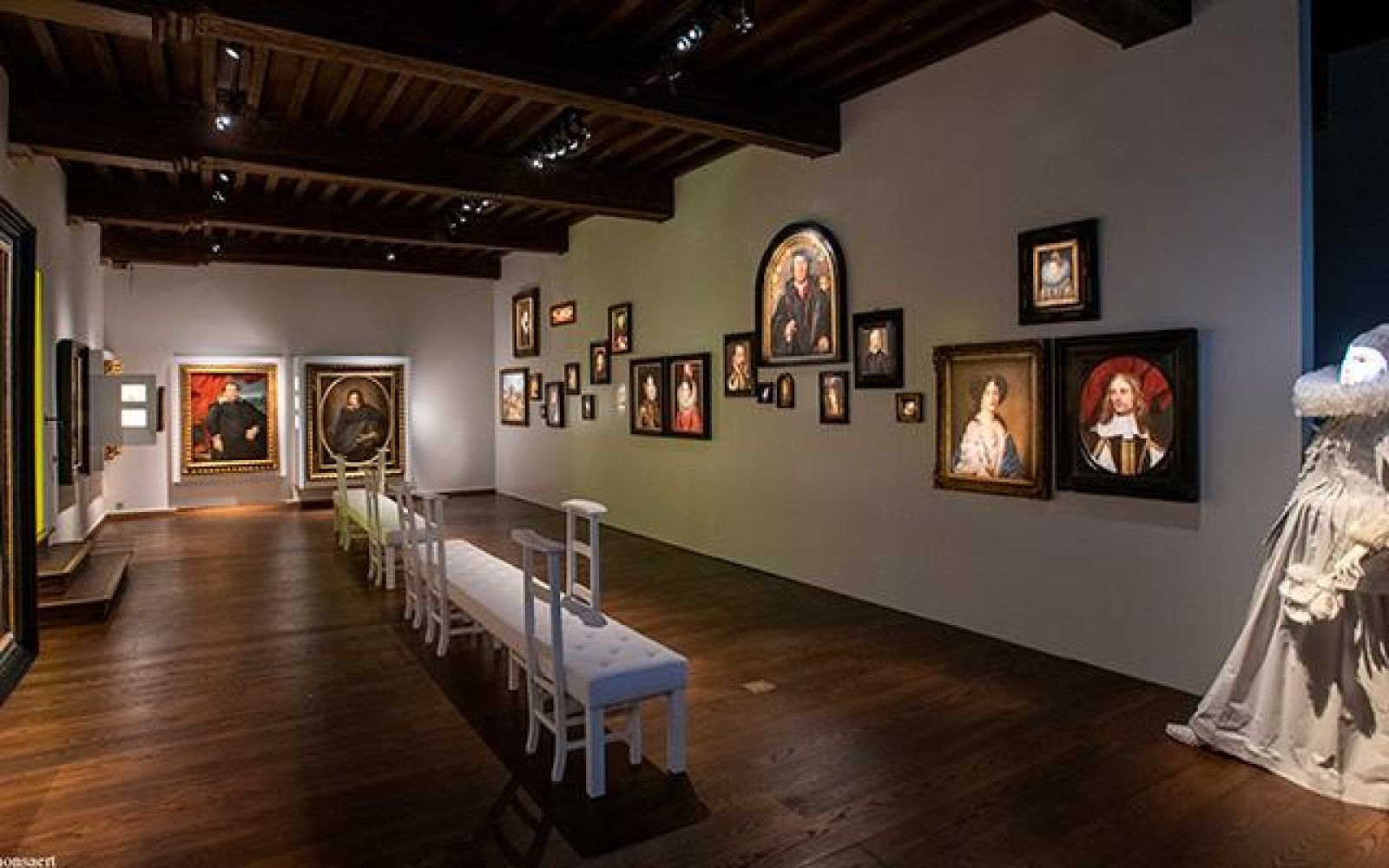
The Phoebus Foundation owns a wealth of portraits like this. So many and so varied that we’ve teamed up with the Snyders&Rockox House for an exhibition that highlights the genre of portrait painting in all its facets: from selfie to group portrait. It’s being held at four locations in central Antwerp.
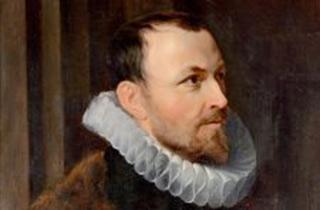
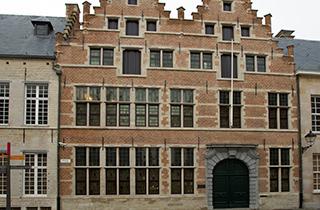
Your host at the Snyders&Rockox House is Nicolaas Rockox himself. He had his own portrait painted several times: as an intellectual, a politician and a society figure. You’ll meet all sorts of contemporaries at his home: distinguished ladies, wealthy gentlemen and dignitaries, but also kitchen maids and merrymakers.
In the Emperor’s Chapel, further up Keizerstraat, things are a little more restrained: faith is a serious business, after all. But those who had themselves immortalized as donors still wanted to show their best side.
Exceptional children’s portraits are presented in St Charles Borromeo’s Church. Grateful parents donated these touching likenesses, in which toddlers pose as mini-adults.
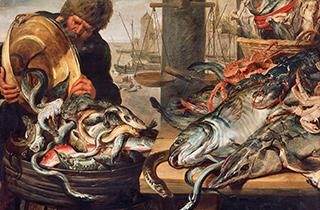
And at the Vleeshuis Museum, several monumental paintings by Frans Snyders prove that early-modern people were not just fond of fashion but of fine food too.
Besides the portraits themselves, the exhibition presents the accessories with which the sitters posed: games, combs, jewellery and much more besides. Objects that make the portraits even more tangible.
Come face to face with people who are more like you than you might think. Take a chance on a blind date.
Images
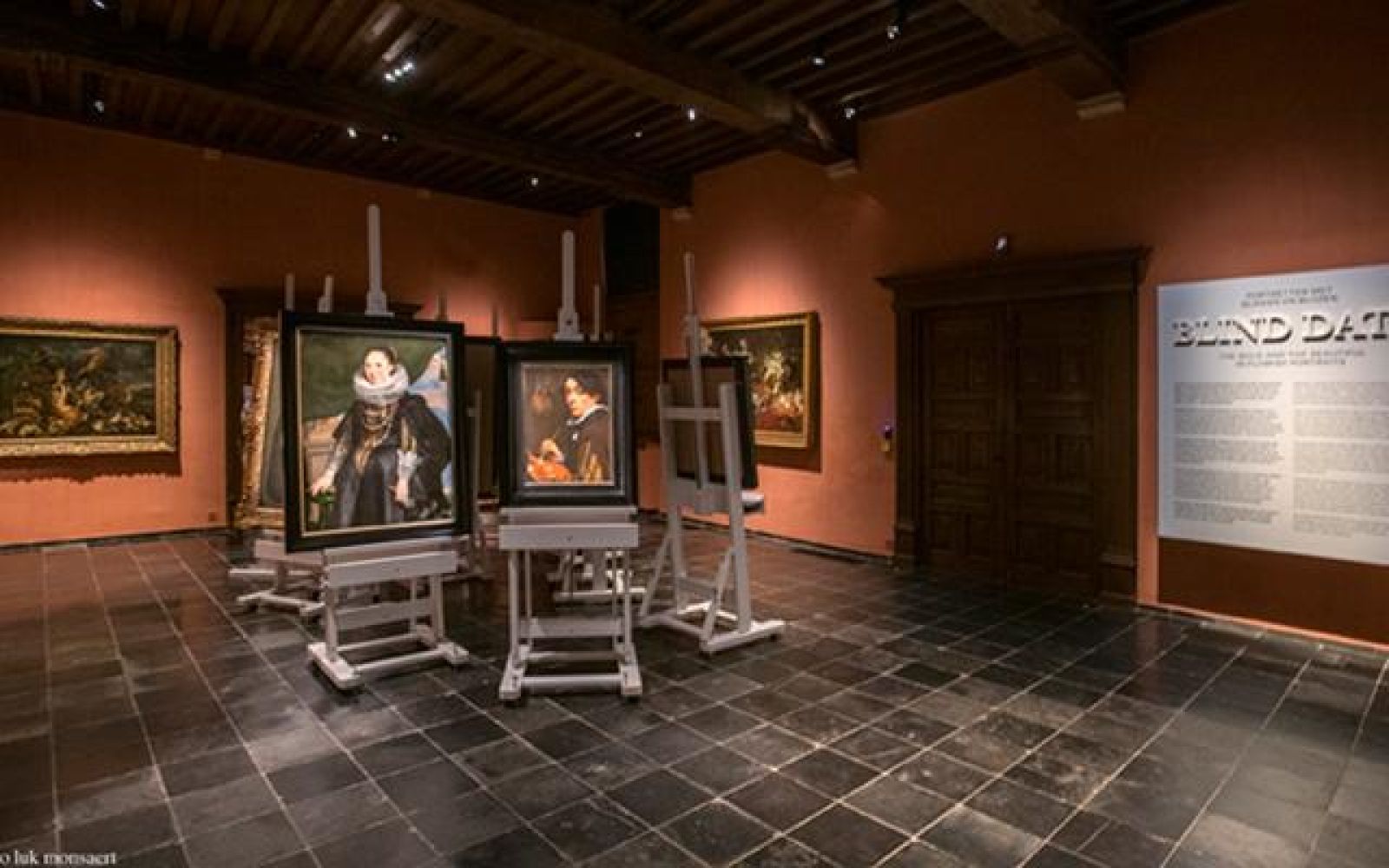
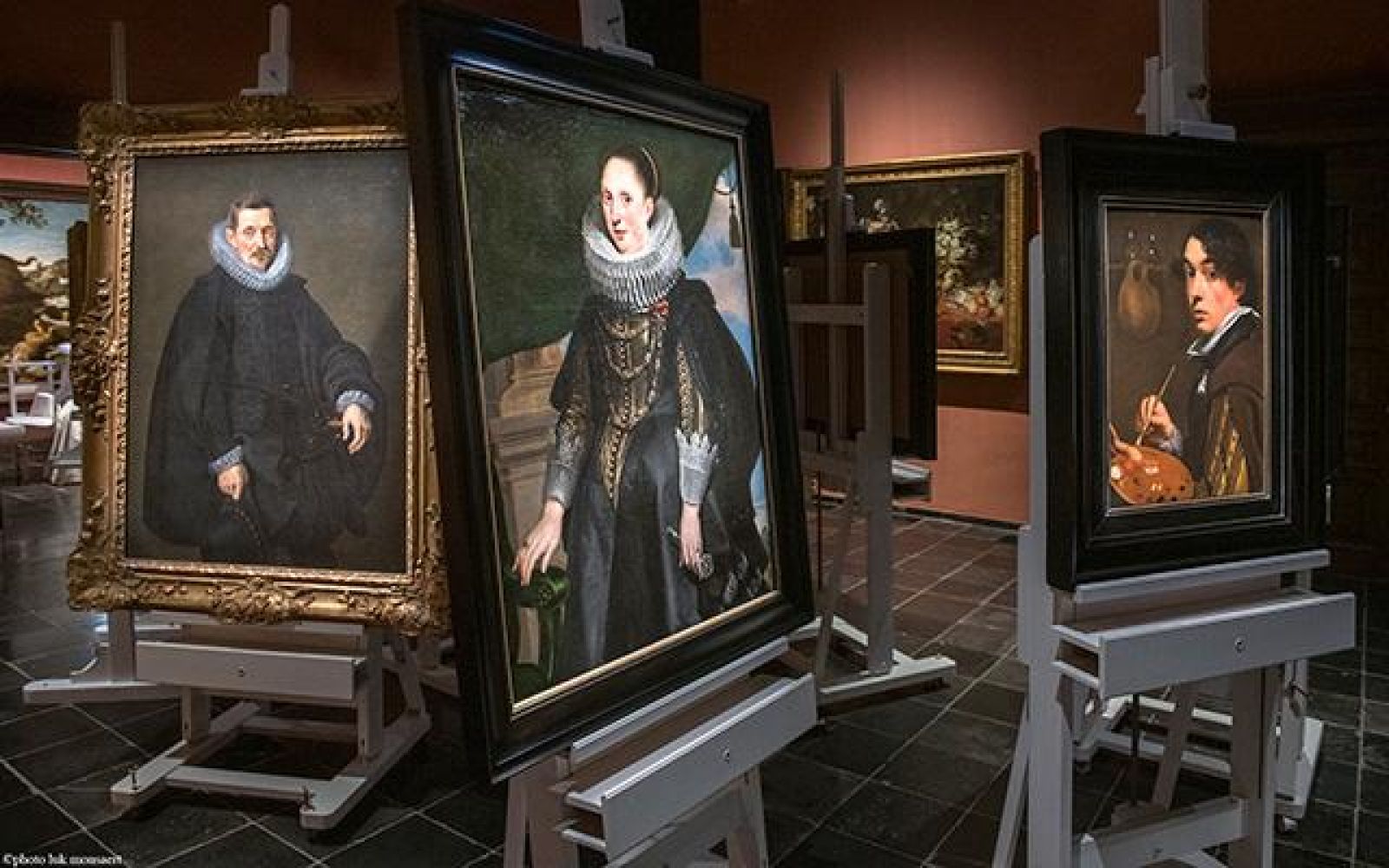
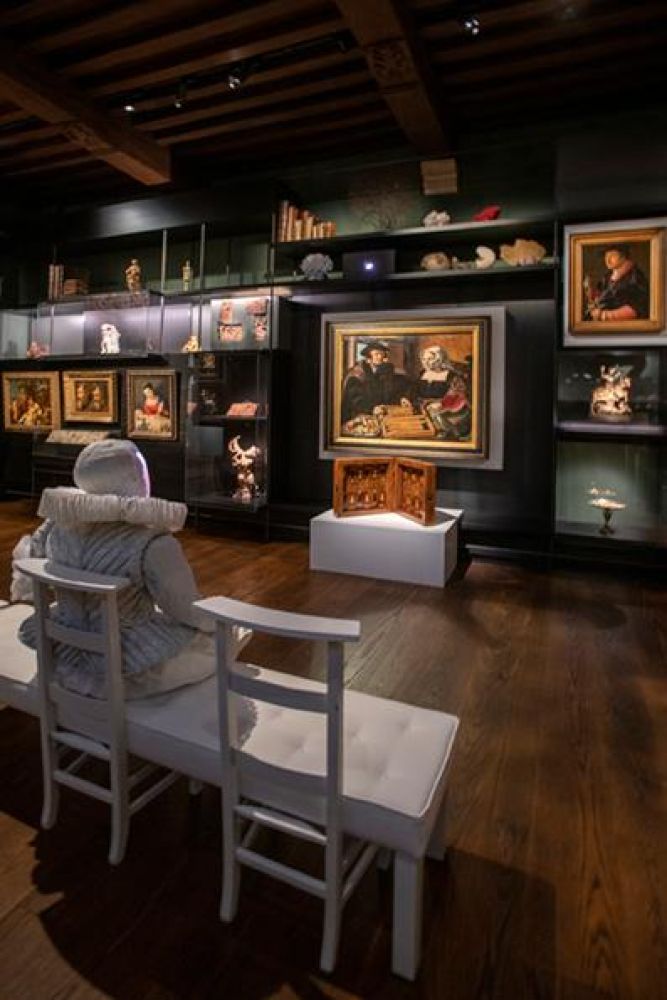
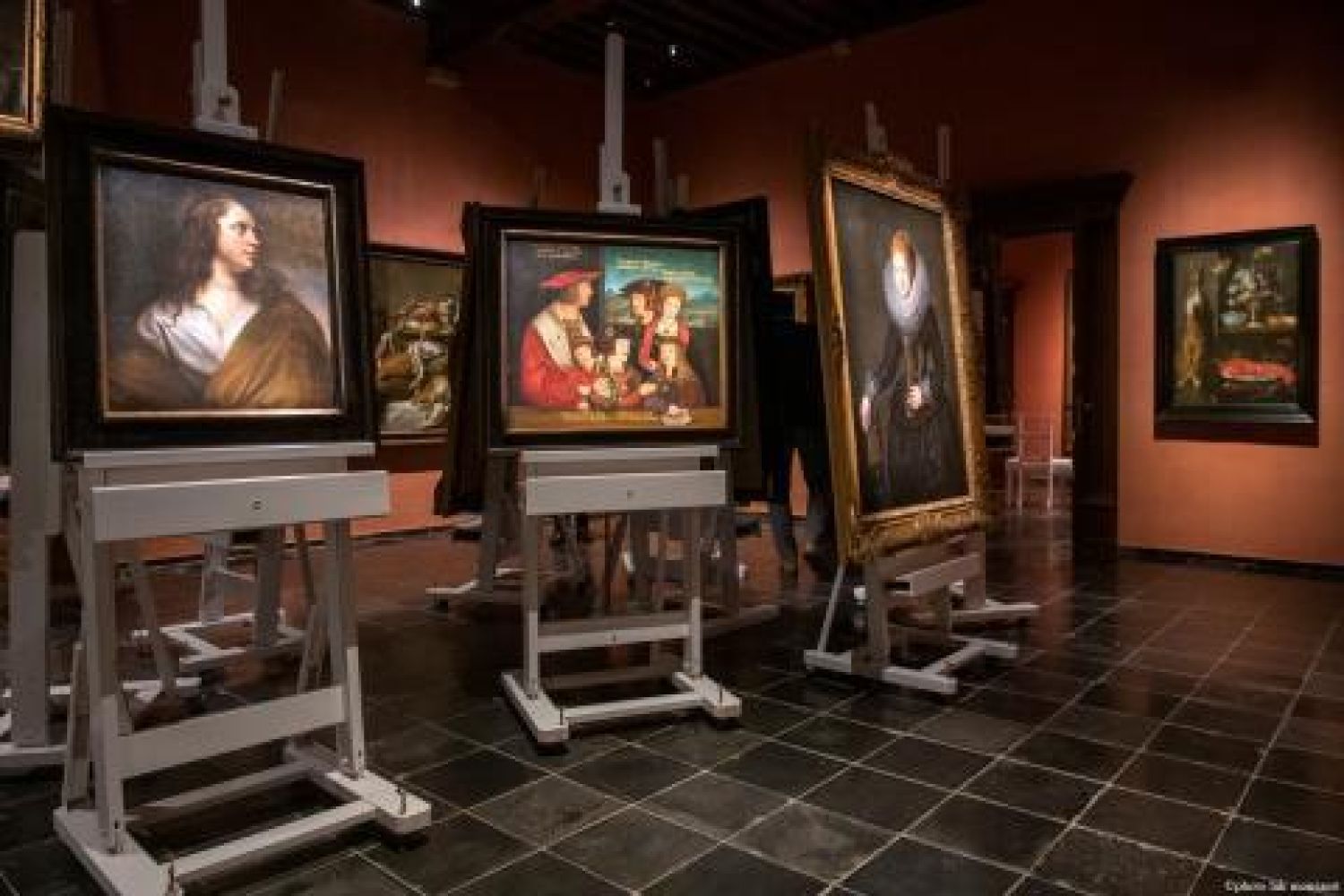
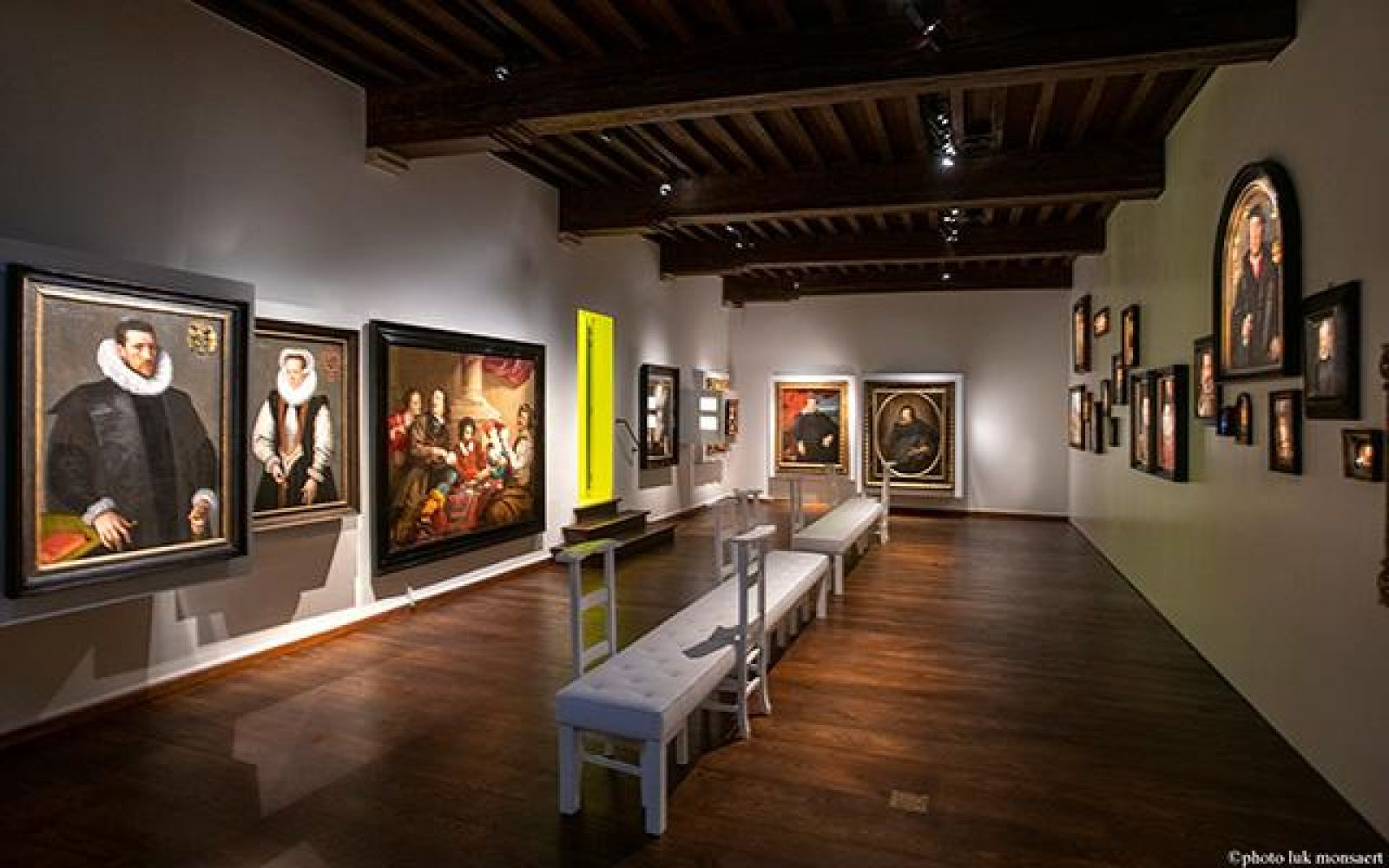
Blind Date has been organized by the Phoebus Foundation and the Snyders&Rockox House.
Partners: Katoen Natie, KBC, INDAVER, Jan De Nul Group, Keizerskapel, Sint-Carolus Borromeuskerk, Museum Vleeshuis and BUVETEX.